
South Africa Road Trip 2 Weeks: the ultimate itinerary from Johannesburg to Cape Town
South Africa is a country where you can see a lot in a short amount of time. In two weeks, you'll drive from Johannesburg to Cape Town through three completely different landscapes: the spectacular Panorama Route, the wild bush of Kruger National Park, and the coastline of the Garden Route. You'll end up in Cape Town, our favorite city in the country.
Top Tips from the team
- Best travel period: the shoulder seasons (March-May, October-November)
- Safari tip: head out early in Kruger, mornings are the best time to spot wildlife
- Driving in South Africa: drive on the left, roads are good but watch out for free-roaming animals
- Currency: South African Rand (ZAR), card payments work well, but bring some cash too
- Internet: available in lodges and cities, but don’t expect 4G in the middle of the bush
Johannesburg: the starting point of your route to Cape Town
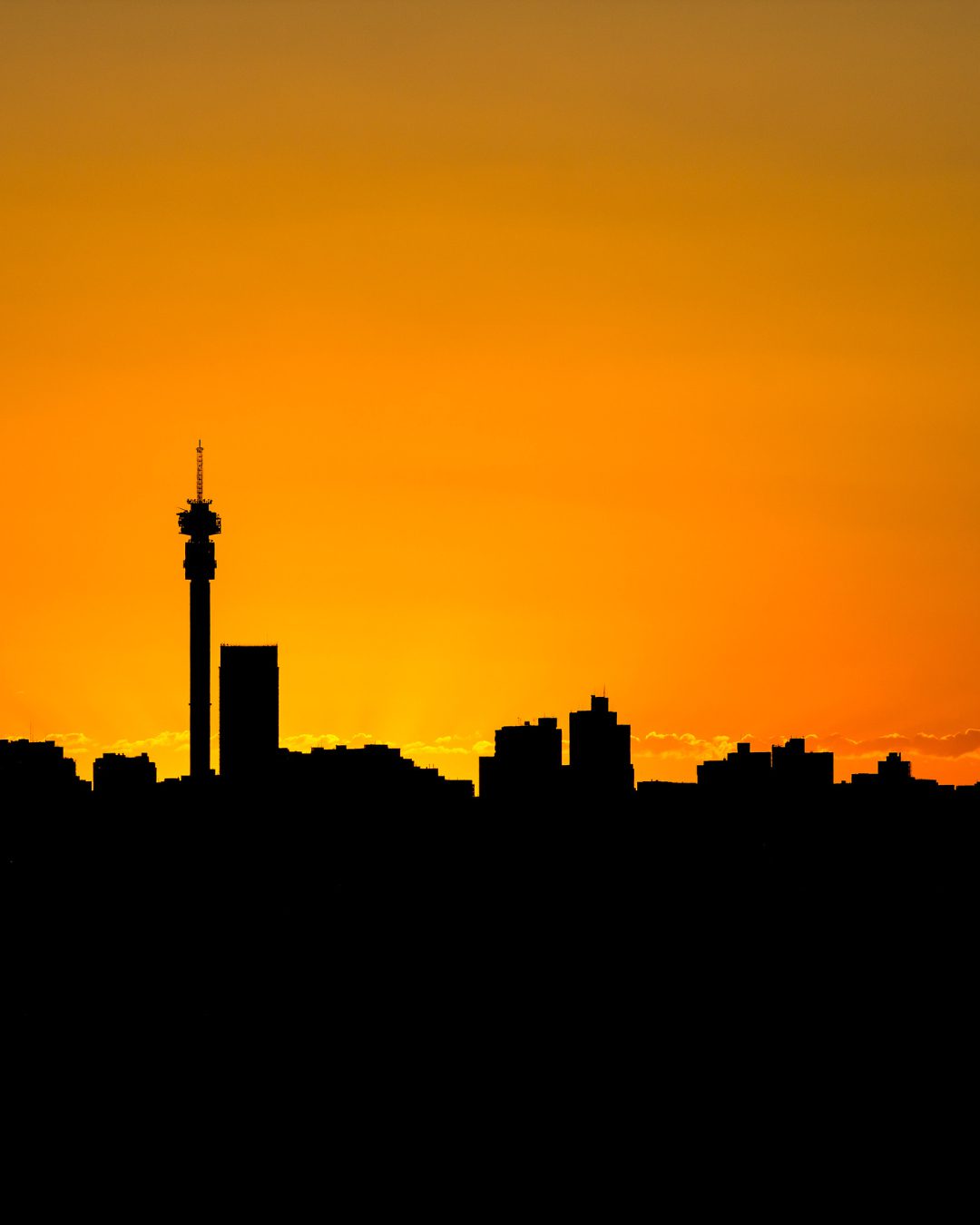
Most travelers see Johannesburg purely as a starting point for the route from Johannesburg to Cape Town. That's understandable, since Kruger and the Panorama Route are right in front of you. Even the route from South Africa Nomads skips the city itself. You’ll stay in a lodge near the airport to rest a bit after the long journey. Do you have more time? There are a few attractions to check out in “Jo'burg.”
The Apartheid Museum is one of the best museums on the continent. It tells the story of apartheid in a way that sticks with you, featuring archival footage, personal stories, and historical documents. You can visit the museum in half a day, but it provides context that adds an extra layer to the rest of your trip. In the Maboneng district, you'll find great restaurants, local markets, and street art. It's a perfect example of how Jo'burg has been reinventing itself in recent years.
The Panorama Route
Most South Africa road trips go straight from Johannesburg to Kruger. But if you take a detour via the Panorama Route, you won’t regret it.
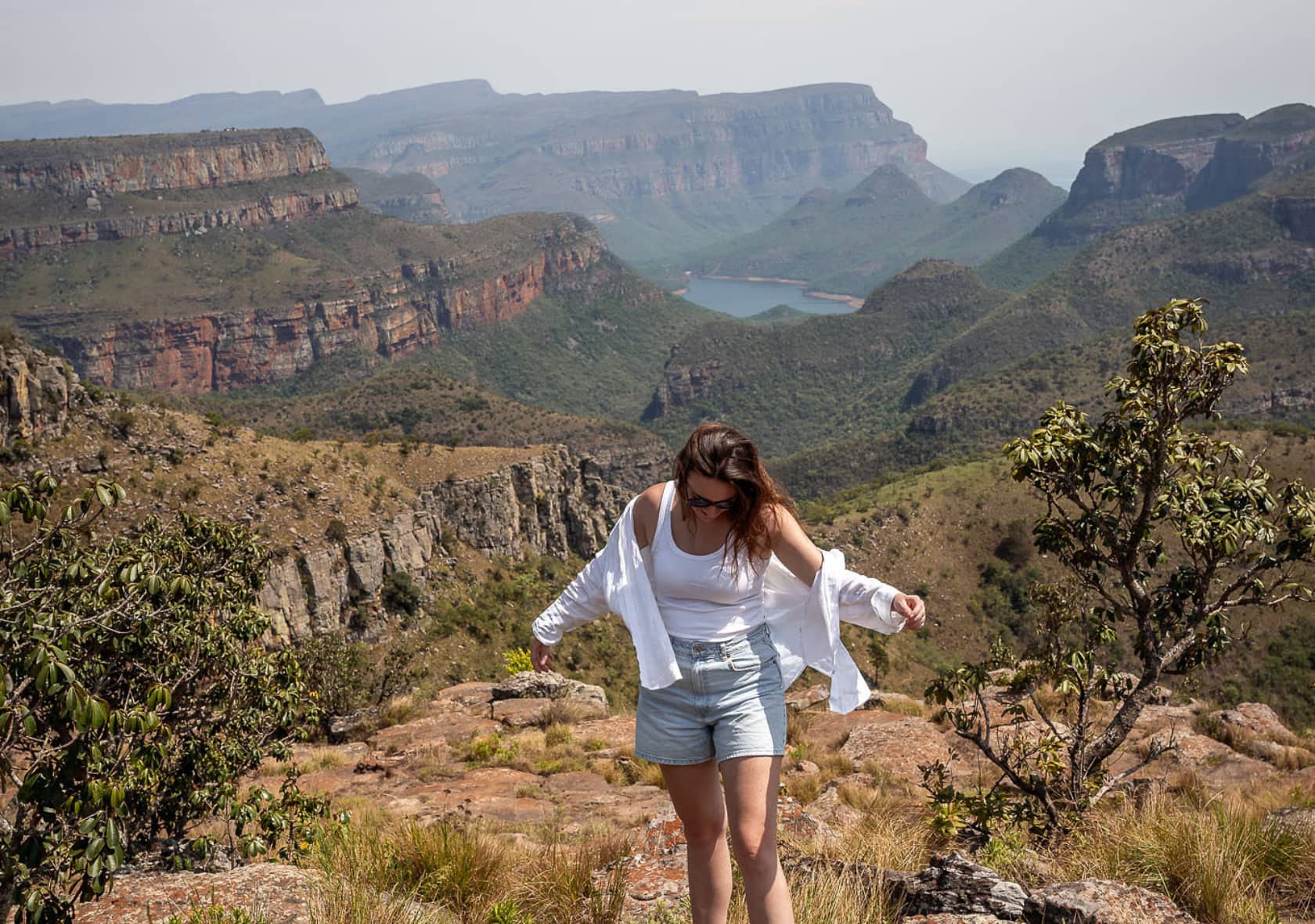
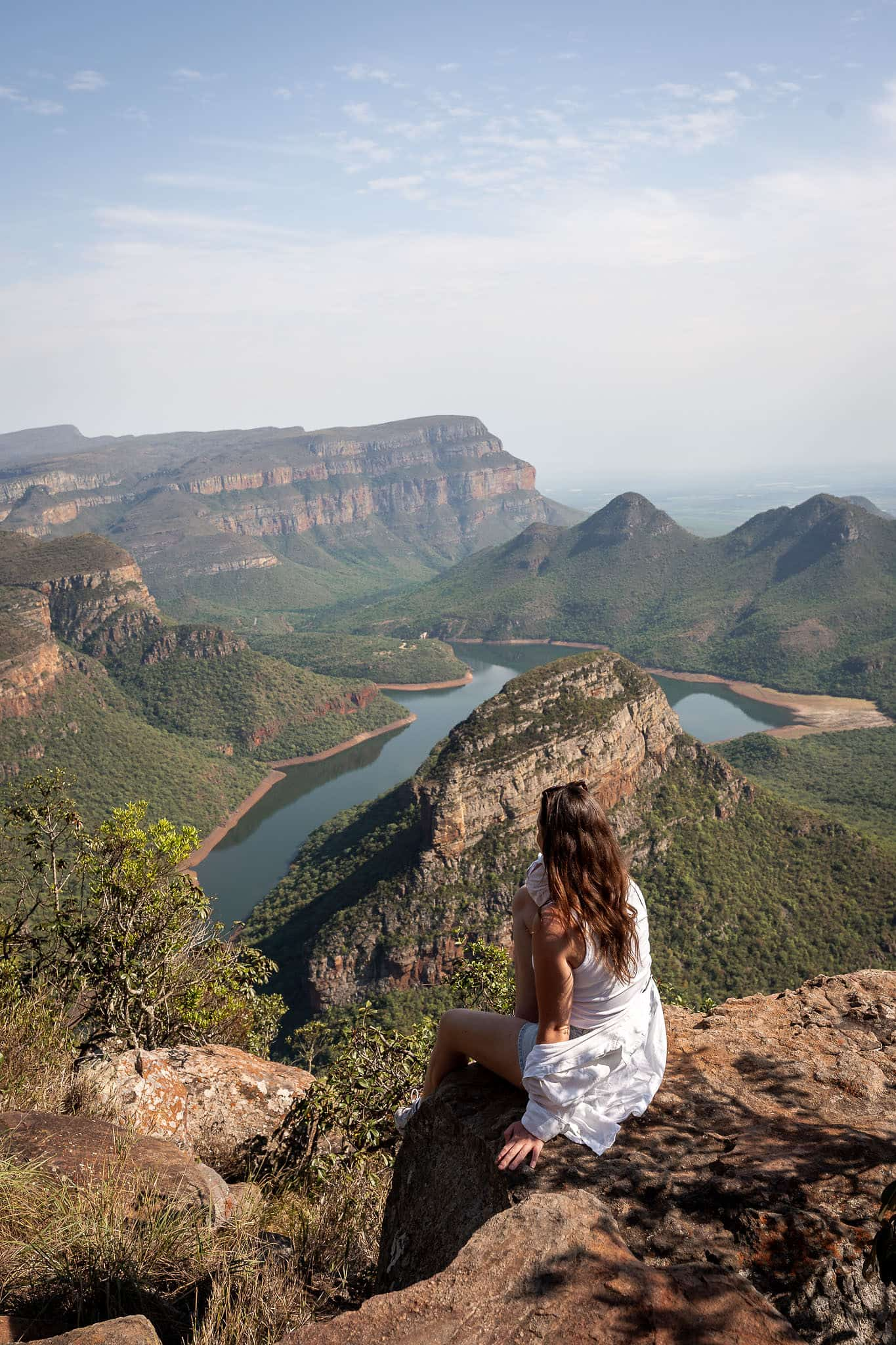
The Blyde River Canyon is the third largest canyon in the world and the largest green canyon on Earth. That sounds abstract until you're standing there. From viewpoints like God’s Window, you can look out over a vast green landscape stretching towards the horizon. On a clear day, you can see all the way to Mozambique. The Three Rondavels, three round rock formations reflecting in the water of the dam below, are among the most photographed spots in the country.
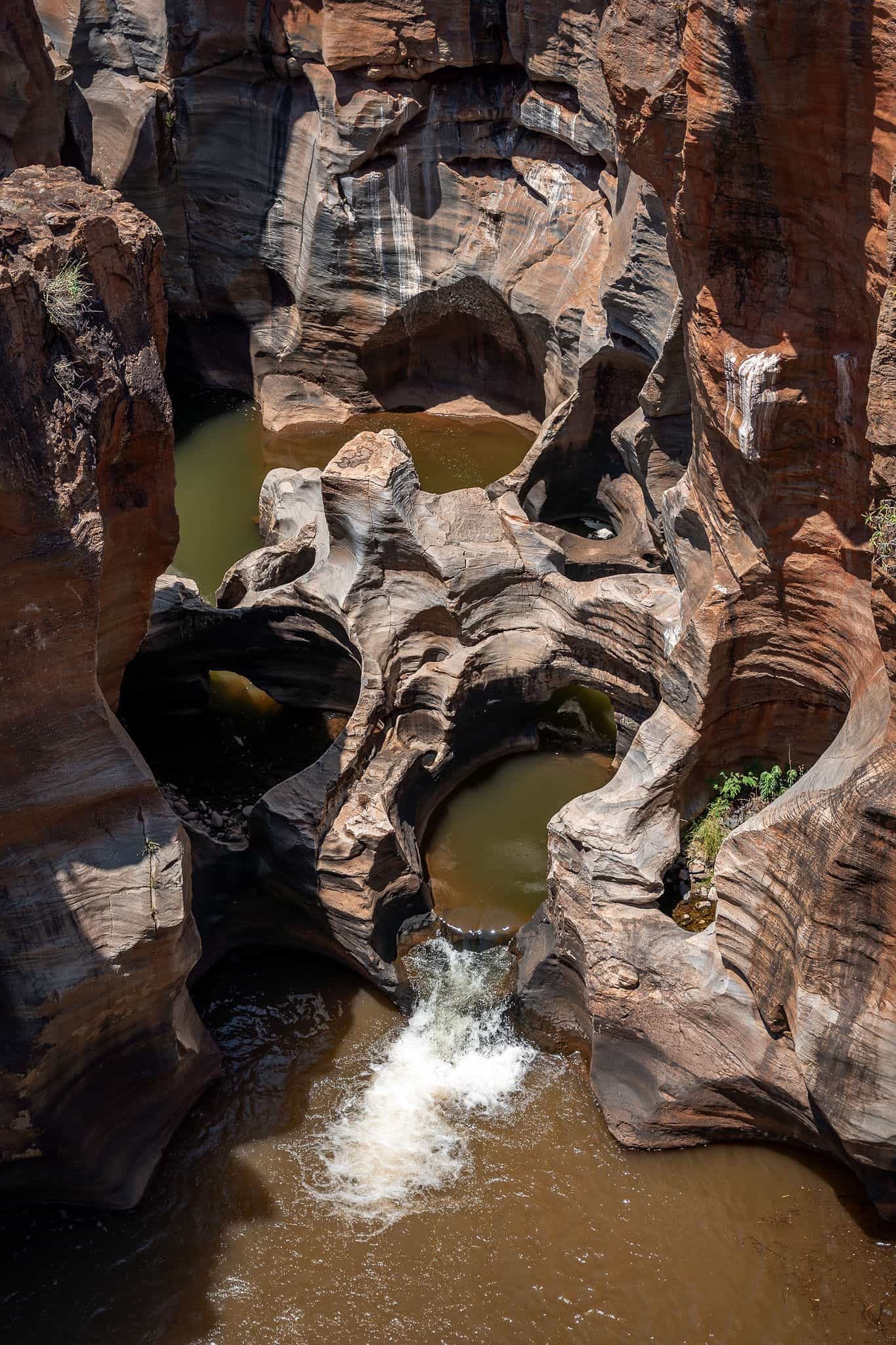
The town of Graskop is a great base for the Panorama Route. Along the way, you'll stop at Bourke’s Luck Potholes, where two rivers meet and the water has carved bizarre round holes into the yellow rock over centuries of erosion. It looks almost surreal and is one of the most unique natural phenomena along the entire route.
Kruger National Park
Kruger is the absolute highlight for most travelers on a two-week trip through South Africa. With nearly two million hectares, the park is larger than the Netherlands. The chances of spotting the Big Five here are greater than in most other places in Africa, and you can feel it as soon as you drive through the gate.
What makes Kruger so special is that you can drive through it independently. You buy a day ticket at the gate, drive in, and you're on your own. No guide, no fixed route. You decide where to go and how long to wait at each spot.
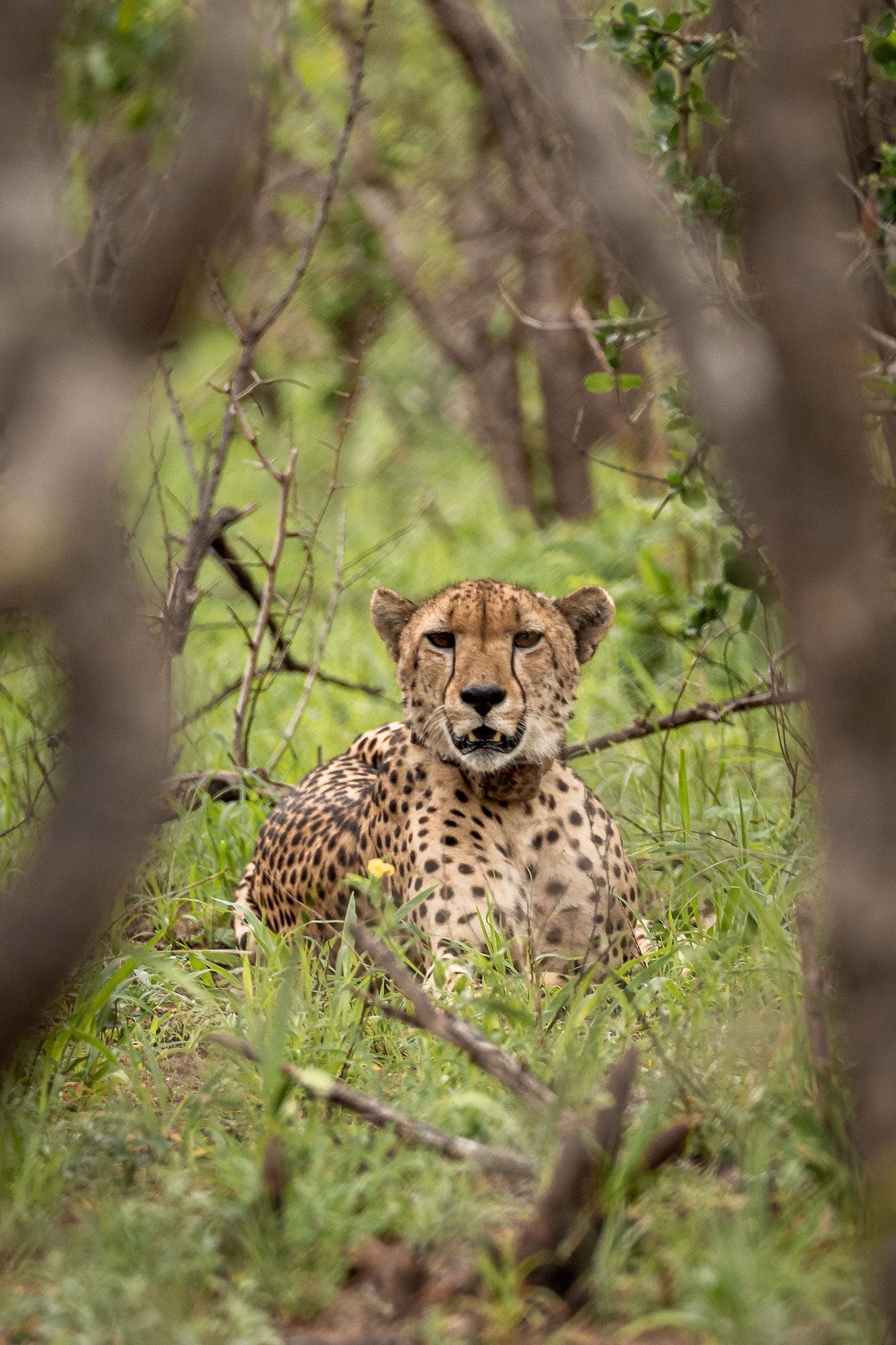
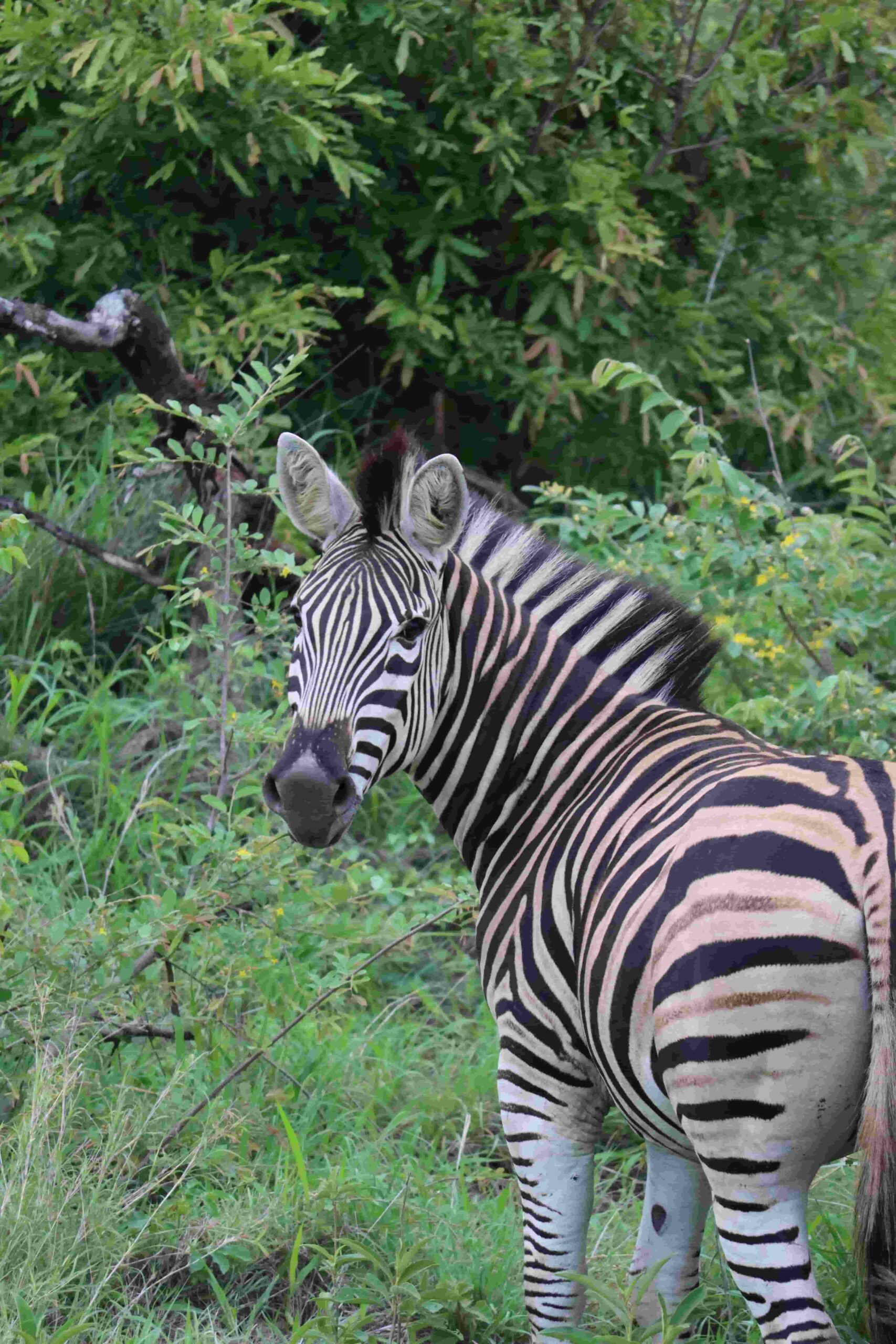
The best game drives are early in the morning. Set your alarm for five o'clock, drive in at sunrise, and you'll see the bush at its most active. Lions lounging in the shade, leopards hiding in the trees, or zebras and giraffes grazing by the road. The variety is huge, and no day is the same. We also definitely recommend going on safari with a guide; they often have a better knack for finding the right spots.
Eswatini
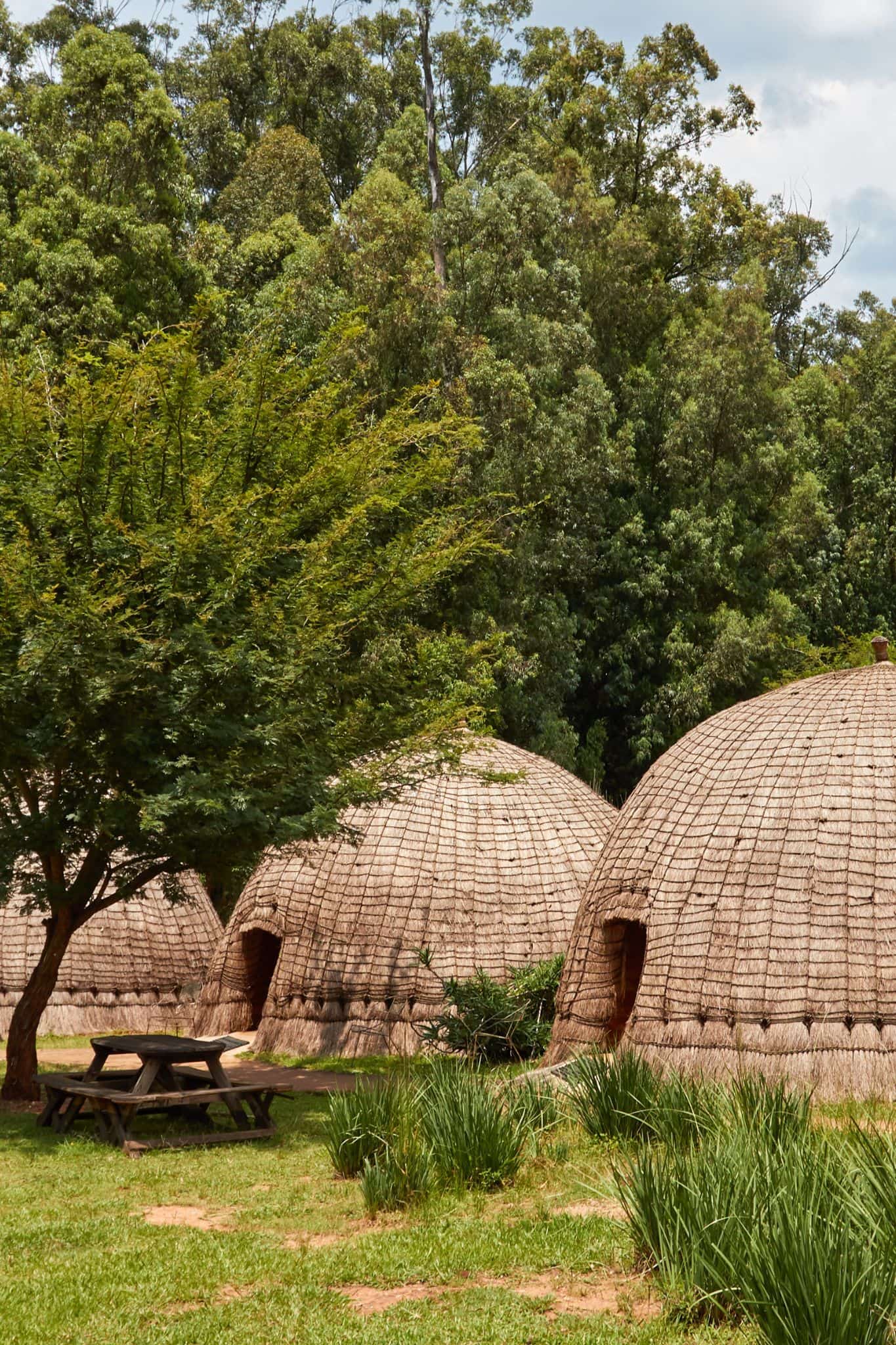
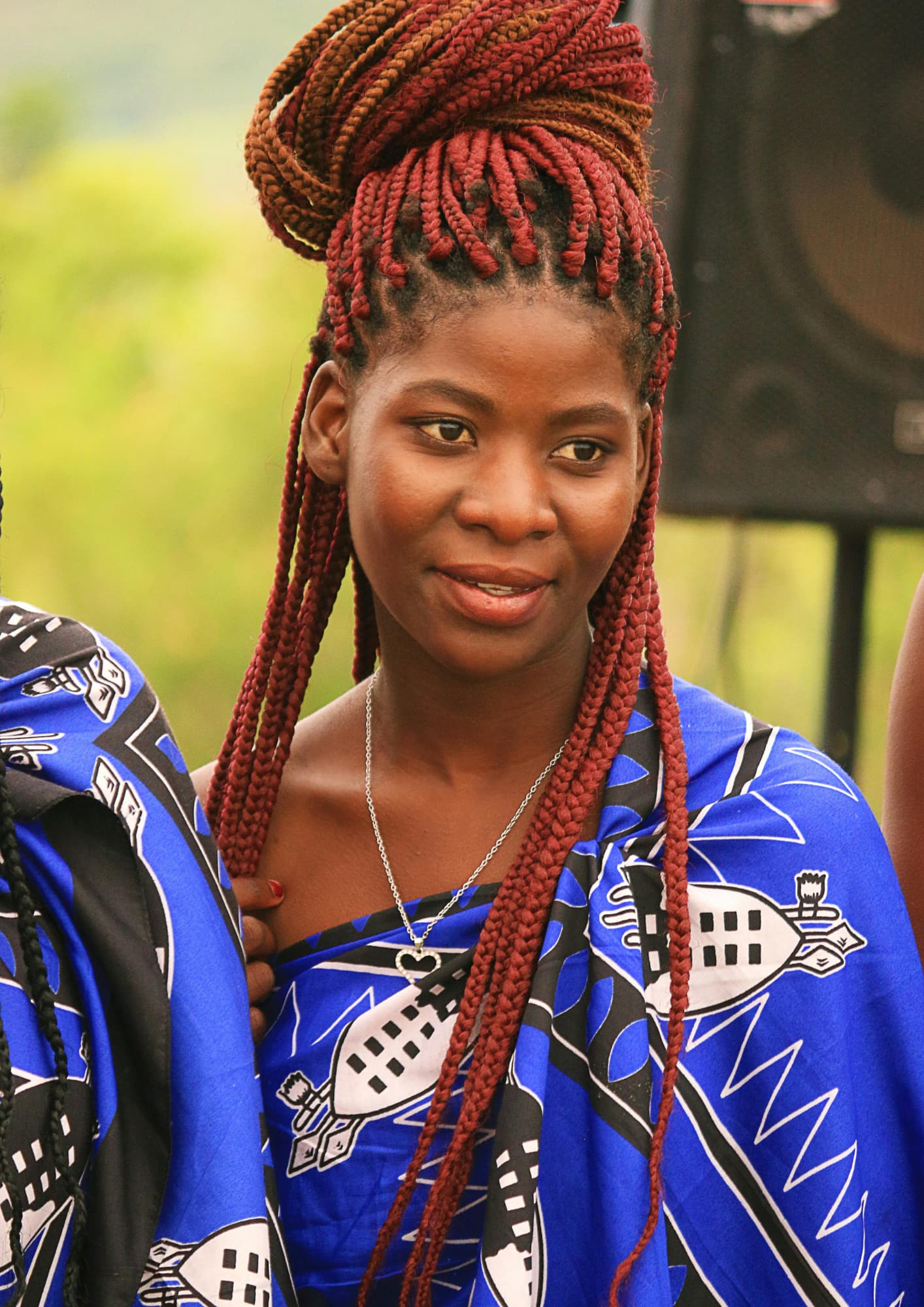
On your way from Kruger to the coast, you’ll drive through Eswatini, the small kingdom formerly known as Swaziland. Many travelers pass right through without giving it much thought, but Eswatini has a uniqueness you won't find anywhere else. Green hills, hardly any tourists, and a laid-back vibe that contrasts sharply with the hustle and bustle of the cities.
Fun fact: Eswatini is one of the last absolute monarchies in the world. King Mswati III has been reigning since 1986. Whether you agree with it politically or not, it gives the country a vibe you can feel as soon as you cross the border. The local markets are a great place to stop, grab a bite to eat, and chat with the locals.
Wildlife outside Kruger
Kruger is the big name when it comes to safaris in South Africa, but you'll encounter wildlife in other places along the way.
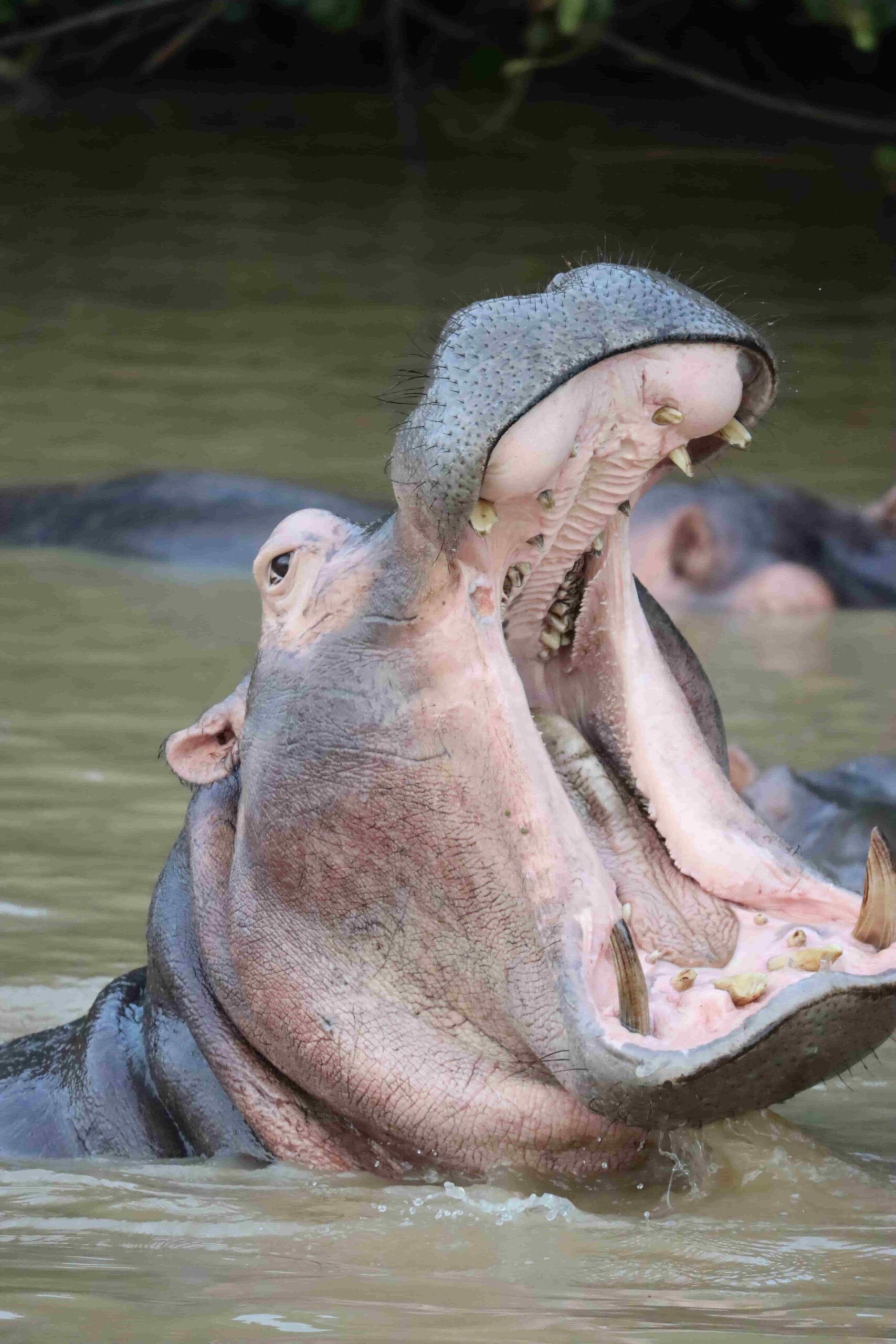
In St. Lucia, on the edge of the iSimangaliso Wetland Park (a UNESCO World Heritage site), hippos roam the town in the evenings. They come from the lake, munch on grass in the gardens, and stroll down the main street. You’ll be seriously warned upon arrival not to walk outside alone at night. During the day, you can take a boat trip on the lake, where you can see crocodiles and hippos up close. In October and November, whales also pass by the coast, a lovely bonus if you travel in the right season.
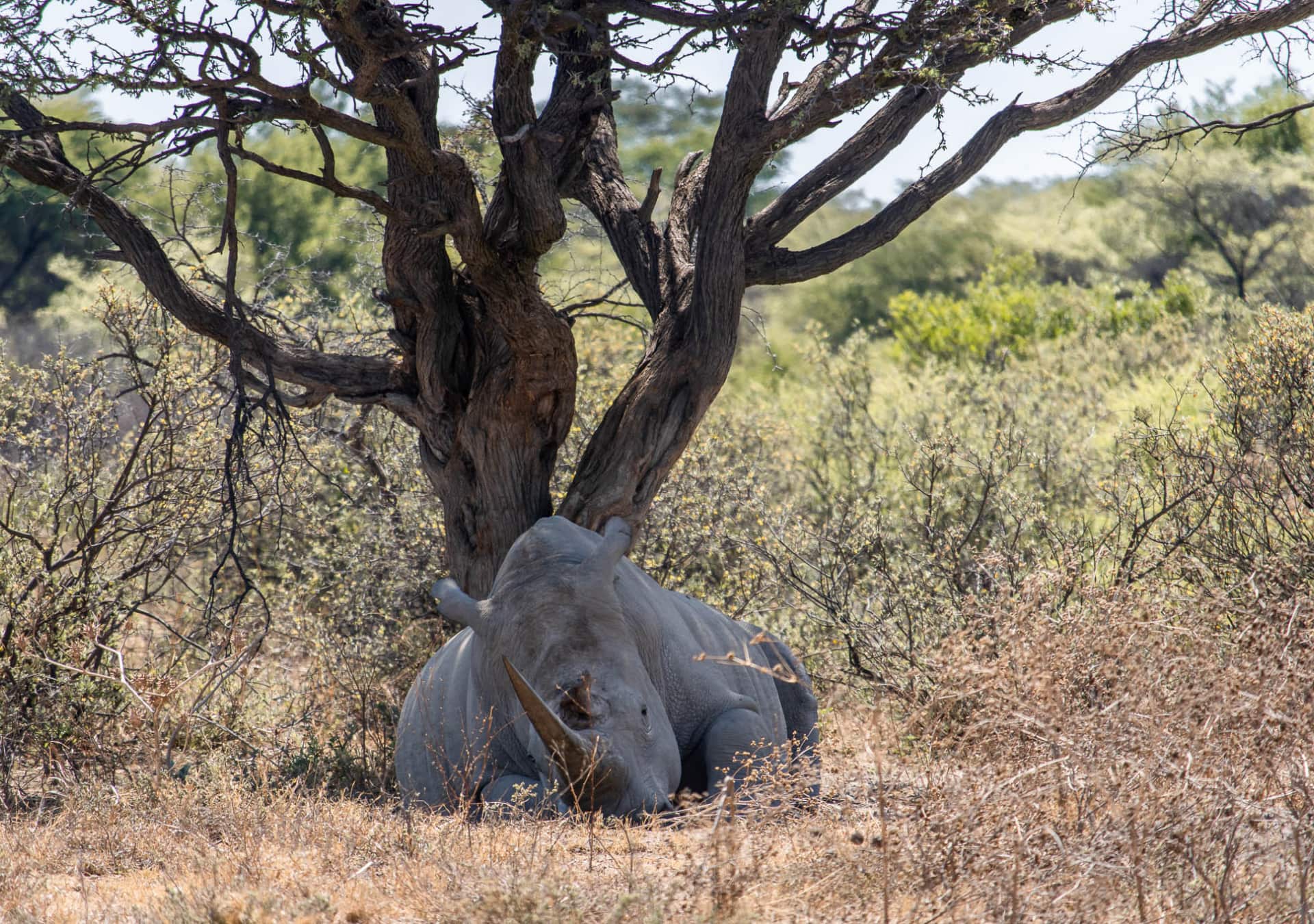
The Hluhluwe-iMfolozi Park is another must-visit if you love wildlife. It’s one of the oldest nature reserves in Africa and is close to St. Lucia, making it easy to combine. The park is especially known for playing a key role in saving the white rhinoceros from extinction. Today, both white and black rhinos live there, along with lions, elephants, and buffalo. A day trip from the area is easy to plan and offers you a completely different safari experience than Kruger.
The coast
After Kruger and all the wildlife, it’s time to explore the coast. A domestic flight saves you two long driving days and takes you straight to the start of the Garden Route.
The Garden Route is one of the most beautiful coastal stretches in Africa. From east to west, you drive through wild and rugged landscapes, calm lagoons, small villages, and expansive beaches. Each stop has its own character.
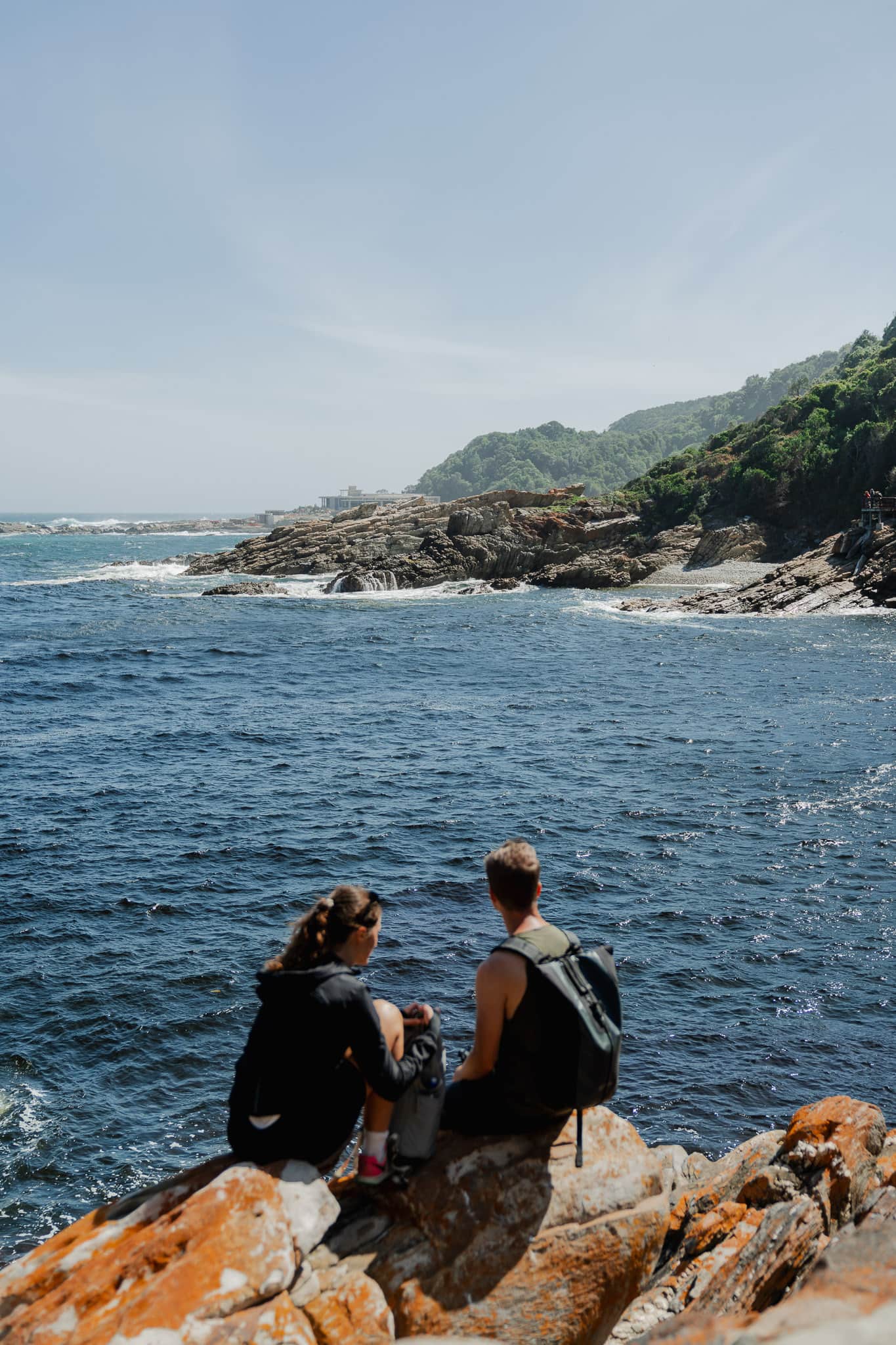
Tsitsikamma is where the ancient forest meets the sea. Steep cliffs, dark rocks, and water crashing against them with force. The suspension bridge at the mouth of the Storms River is a classic: you stand on a narrow bridge above a gorge, the river flowing dozens of meters below you, with forest on both sides. There are hiking trails through the ancient forest and along the coast, ranging from short and easy to multi-day routes for serious hikers.
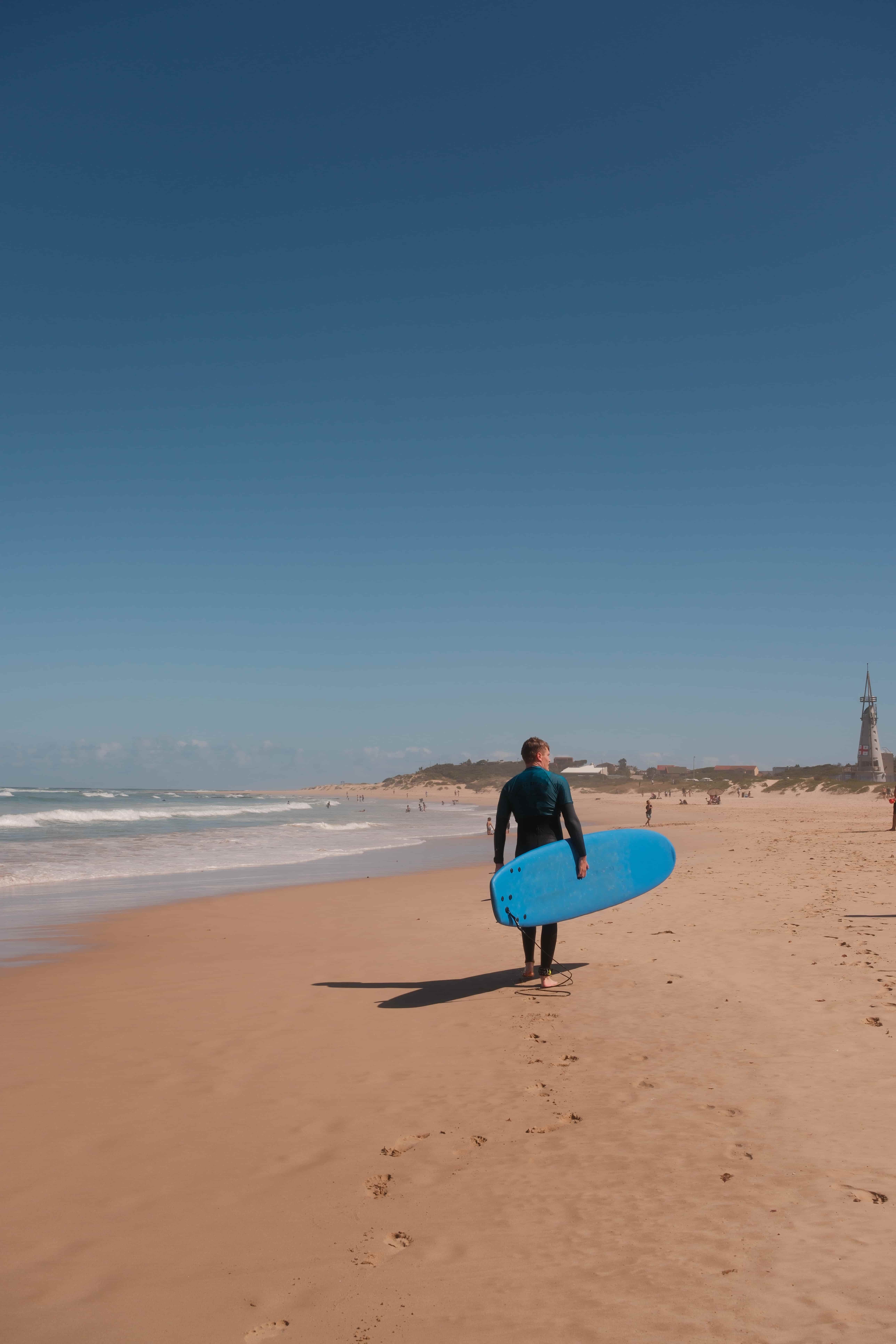
Jeffreys Bay is the surfer's village of South Africa. The waves here, especially the Supertubes, are considered some of the best right-hand breaks in the world. Every year, professional surfers come here for World Surf League championships. But even if you don’t surf, it’s a great stop. Endless beaches, good restaurants, and a laid-back atmosphere that’s contagious.
Knysna and the lagoon provide a beautiful contrast to the wilder parts of the route. The lagoon is sheltered and calm, the town has great restaurants, and you're nicely situated between the forest and the water. The Knysna Heads, two rocky outcrops at the entrance to the lagoon, offer the best viewpoint in the town.
Cape Town and the Wine Regions
After two weeks of driving from Johannesburg to Cape Town, you'll end up in one of the most beautiful cities in Africa. Cape Town has plenty to offer for a few extra days if you have them.
Table Mountain is the city's most iconic sight. With the cable car, you go up and from the top, you look out over the peninsulas and the ocean. Cape Town is where the Atlantic and Indian Oceans meet at Cape of Good Hope, one of the southwestern points of the African continent. In the Bo-Kaap neighborhood, the houses are painted in cheerful colors: pink, yellow, mint green, blue. A vibrant area with a rich history, dating back to the Cape Malay community of the 17th century. And at Boulders Beach, African penguins simply live on the beach, one of the most unexpected wildlife experiences of the whole trip.
Just outside Cape Town are the Winelands. Franschhoek was founded by French Huguenots in the 17th century and still has that vibe. Great restaurants, beautiful vineyards, and a mountainous landscape surrounding it. The Wine Tram takes you to various wineries without needing to drive yourself. A lovely way to wrap up the journey.

Practical tips for your South Africa road trip
Driving on the left: In South Africa, they drive on the left side of the road. Most people get used to it quickly, but you’ll need to concentrate a bit more on your first day. Roundabouts take some getting used to, but you'll adapt to that quickly too.
The route from Johannesburg to Cape Town: The total distance is about 1,600 kilometers. You won’t drive it all at once, but spread it out over 2 weeks with stops along the way. This way, you’ll see the most and won’t have long driving days.
Best travel period: The shoulder seasons are ideal. In spring and fall, you’ll enjoy pleasant weather, green nature, and active wildlife. Plus, you'll be just before and after the high season, so there will be fewer crowds at popular spots.
Currency: The South African rand is weak compared to the euro. This makes food, drinks, and activities relatively cheap for European travelers.
Safety: These routes are generally safe for tourists. Use your common sense, don’t leave valuables visible in your car, and follow local advice.
Want to drive this route without having to figure everything out on your own? South Africa Nomads will handle the route, accommodations, and domestic flights for you. You drive, we take care of the rest.
Why a self-drive trip instead of an organized group tour?
The route from Johannesburg to Cape Town is perfect for a self-drive. The roads are good, and the distances are manageable. Of course, there are plenty of ways to explore South Africa. Group trips by bus, tightly planned itineraries, guides included. Nothing wrong with that, but a self-drive just feels different. You're behind the wheel. You decide when to stop and how long to stay somewhere that day.
With South Africa Nomads, you drive your own SUV, but you're never really alone. You travel at the same time with a small group of other travelers, spend each night at the same location, and have 24/7 support if anything comes up. Everything is arranged in advance, from the route to accommodations and domestic flights. This way, you combine the freedom of a self-drive with the convenience of a well-organized trip.