

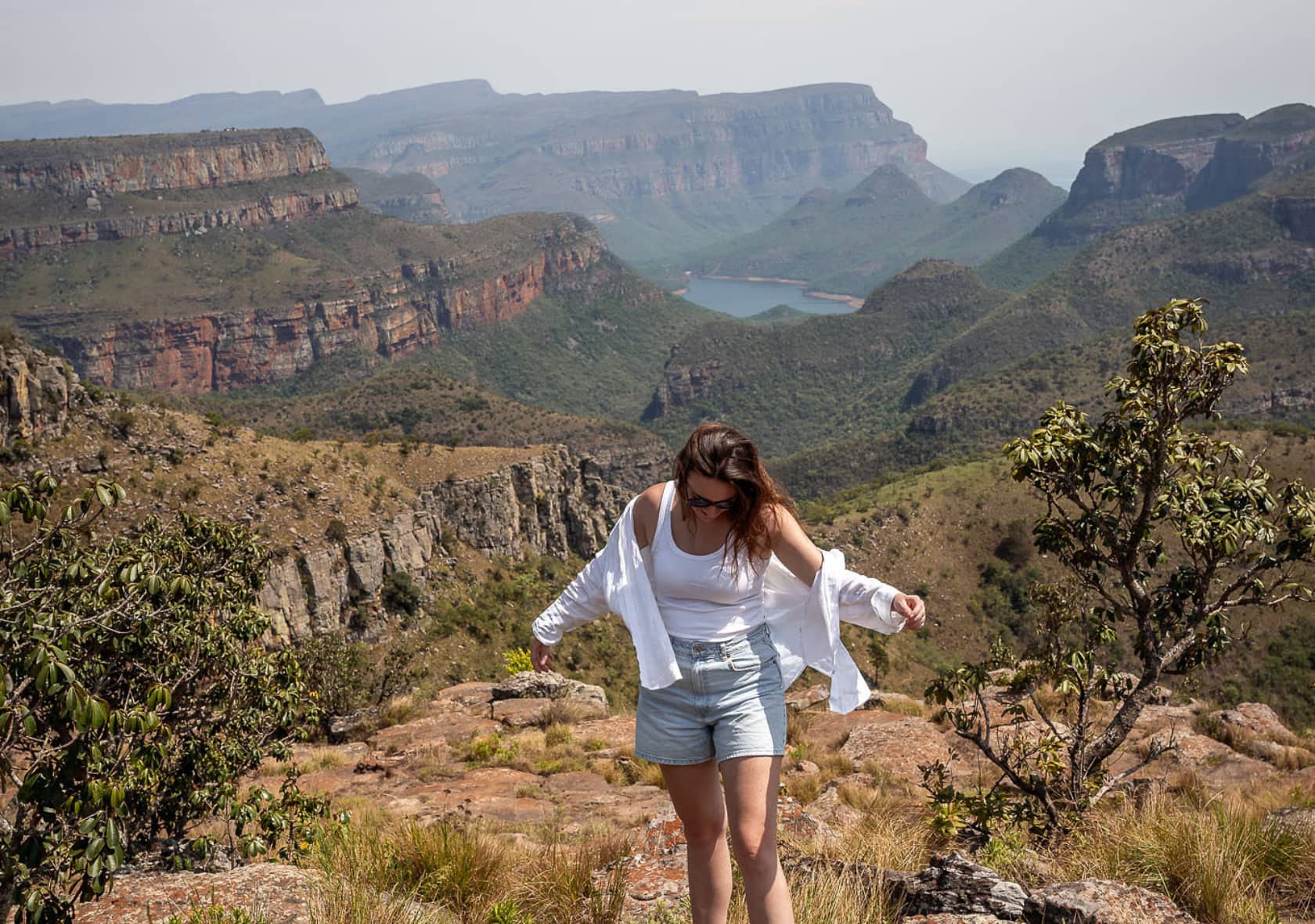
7 highlights along the Panorama Route in South Africa
The Panorama Route in South Africa is one of the most famous scenic drives in the country. You drive through the mountain landscapes of Mpumalanga, where around every bend you get a new view of cliffs, waterfalls, and green valleys. The route stretches approximately 150 kilometers along the Drakensberg Escarpment and connects the highlights of the region.
You drive between the tropical vegetation of the Lowveld (a subtropical, lower-lying region) and the cooler highlands, creating a mix of landscapes. The route pairs well with a visit to Kruger National Park. Many travelers take the Panorama Route before or after their safari adventure, as it’s just an hour's drive between the two areas.
Top Tips from the team
- Start early in the morning to avoid crowds
- Graskop is the perfect base with nice restaurants and shops
- Pack a picnic to enjoy lunch with stunning views
- Wear comfortable shoes, as many viewpoints have short walks
- Refuel in Graskop or Hazyview, there are few gas stations along the way
1. Blyde River Canyon
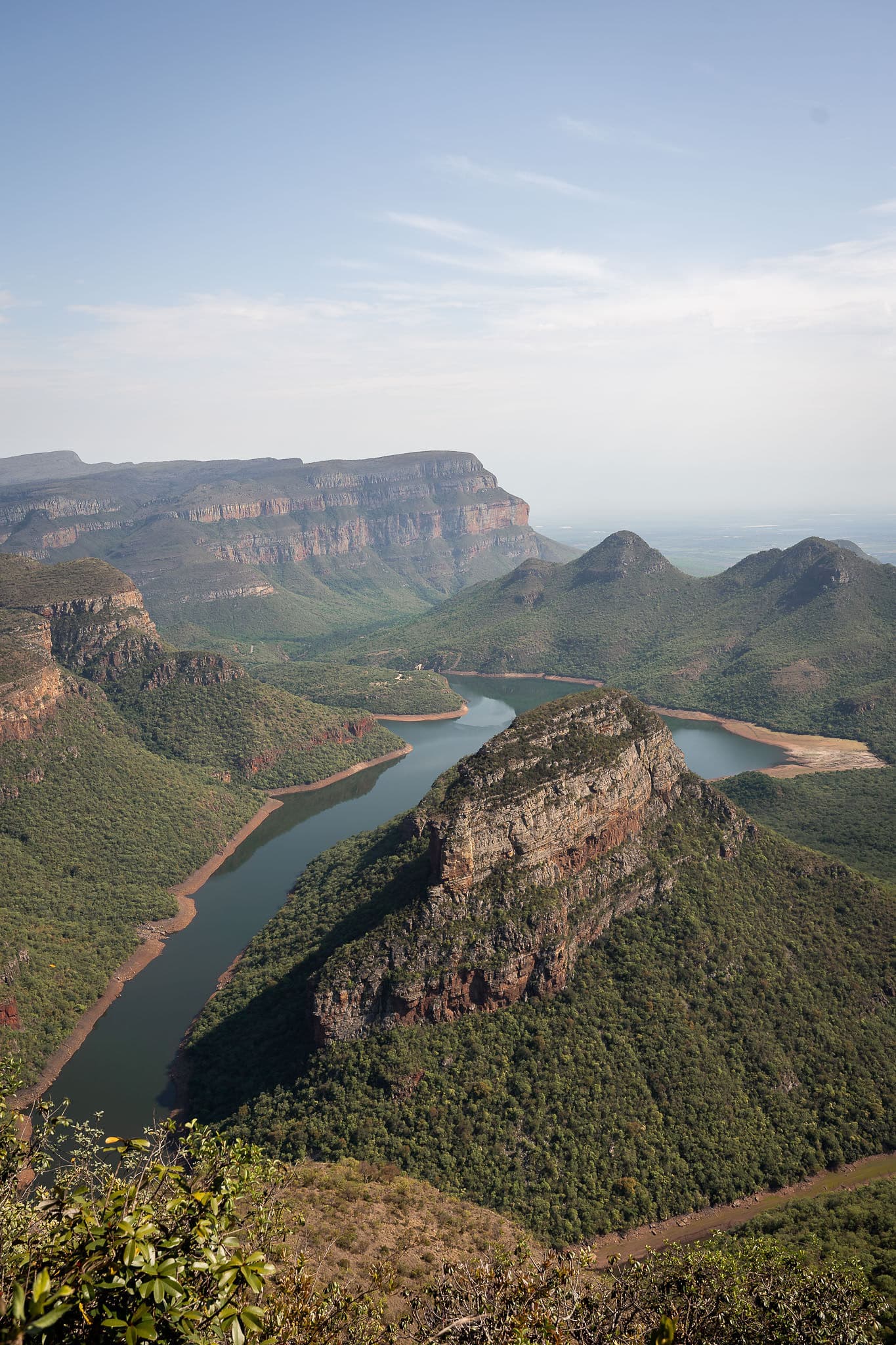
The Blyde River Canyon is the highlight of the Panorama Route. Stretching 26 kilometers long and 800 meters deep, it's the third largest canyon in the world and the largest green canyon in Africa. And you can literally see that greenery; while many other large canyons are bare and dry, the Blyde River Canyon is covered in subtropical vegetation.
The most famous viewpoint is Three Rondavels, where you can gaze over three rock formations that look like traditional African huts. The river winds deep below through the canyon, and on a clear day, you can see the Lowveld stretching out to the horizon in the distance.
Did you know that the Blyde River Canyon was once a mining area? Nature has reclaimed the land, and now you can enjoy the pristine landscape. Hippos and crocodiles live in the river, and if you're lucky, you might spot klipspringers on the steep rock faces.
2. God's Window
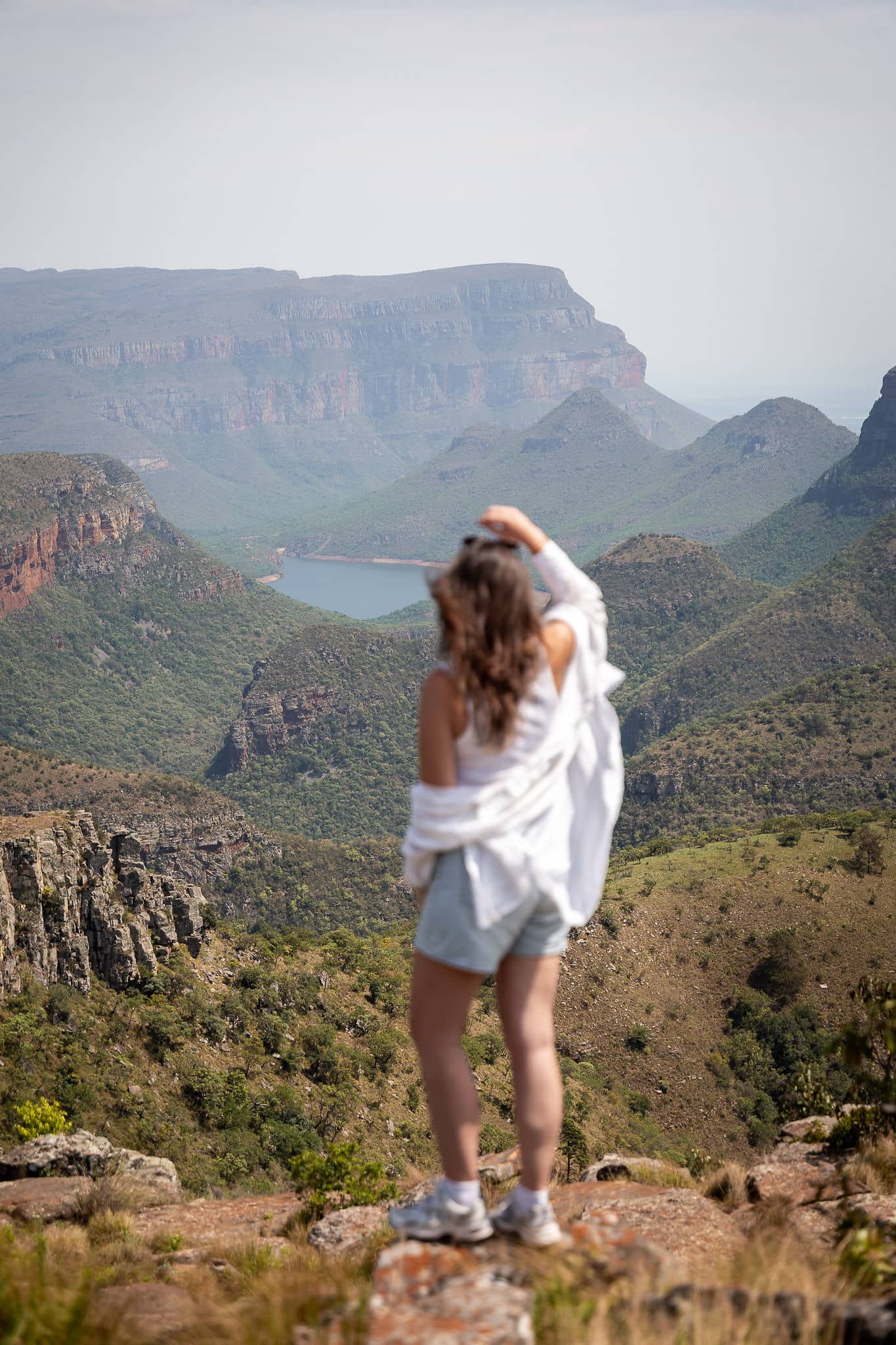
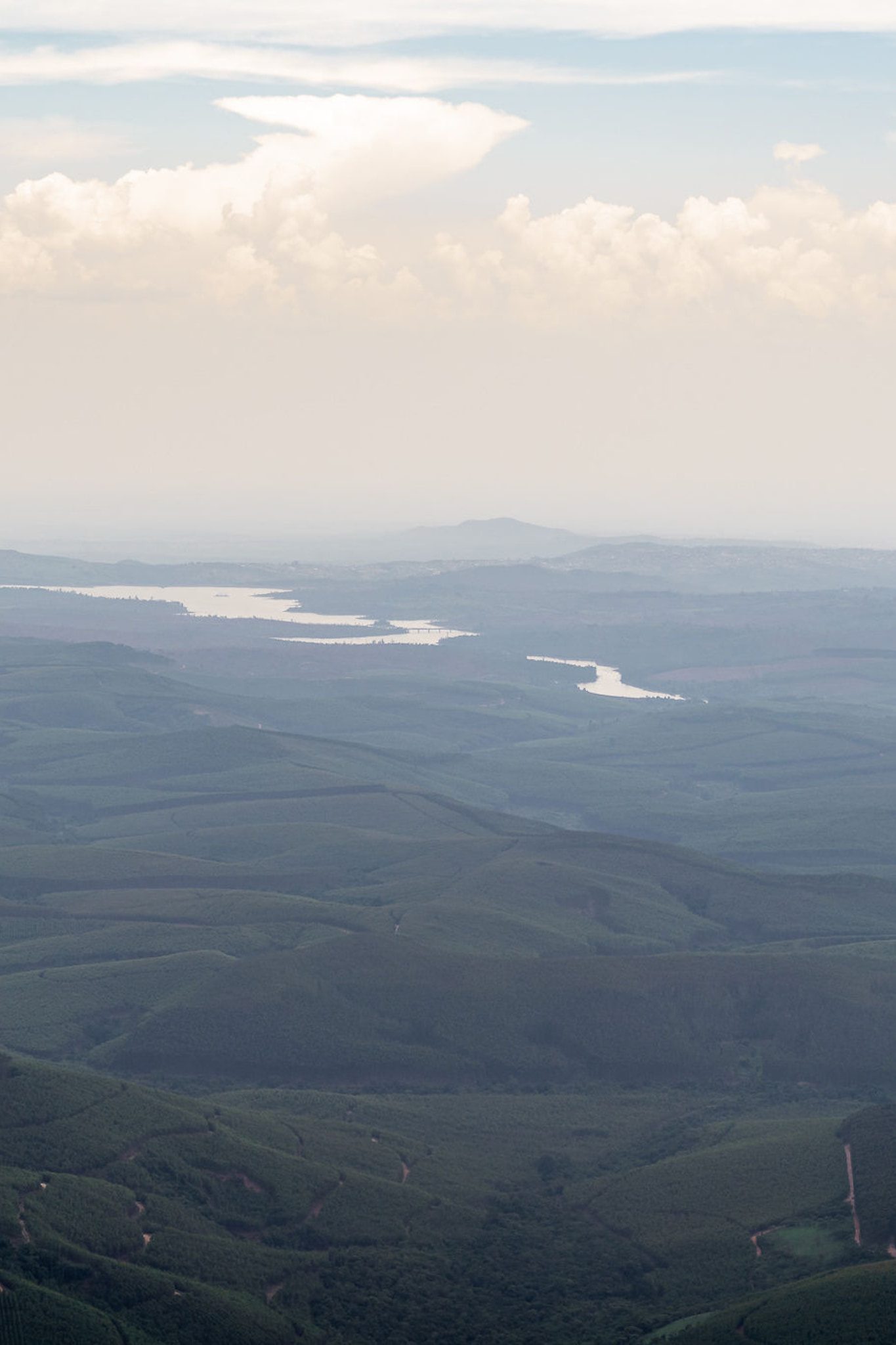
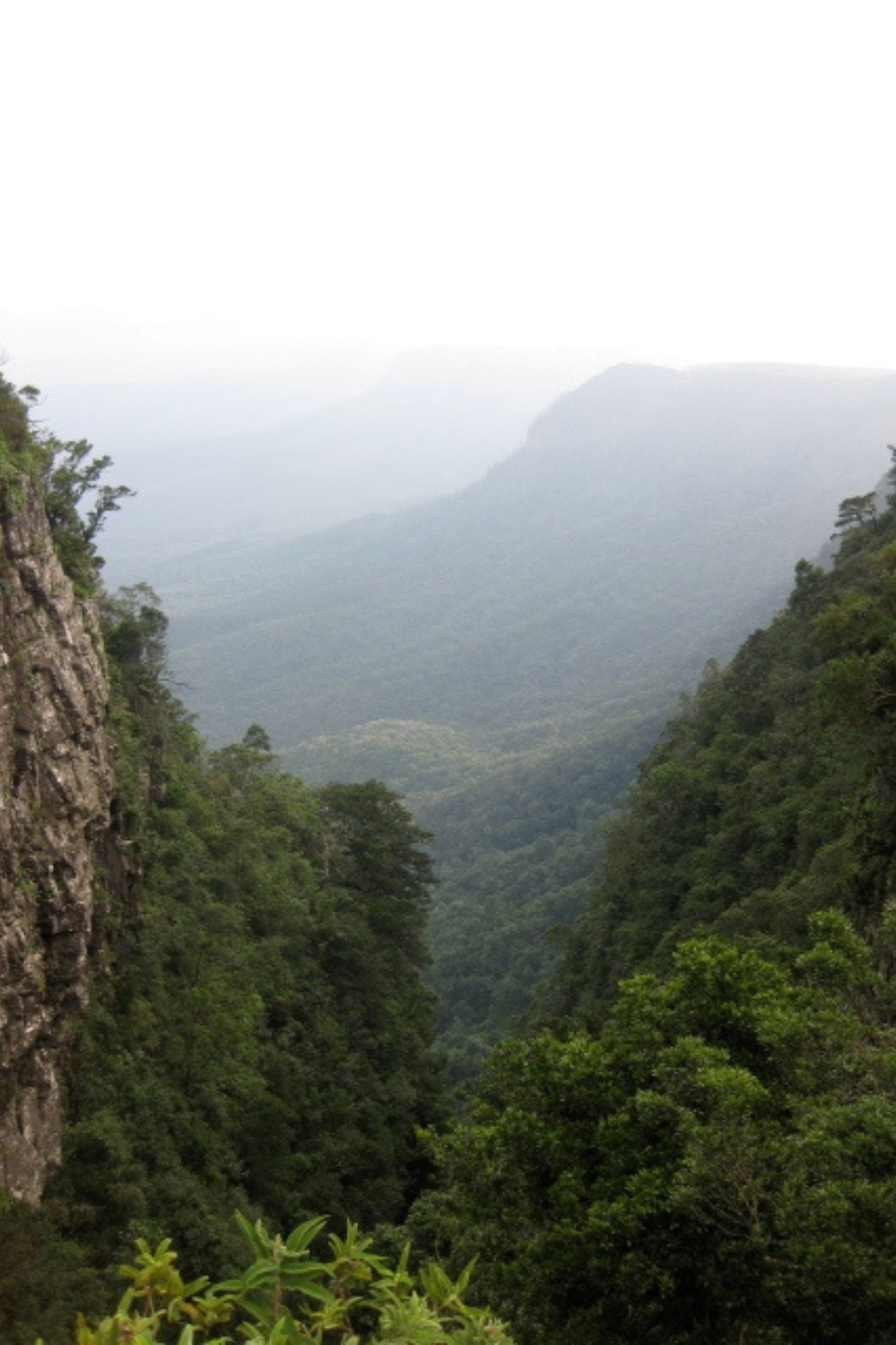
God's Window is probably the most photographed viewpoint along the entire Panorama Route. From a height of 1730 meters, you literally look over the edge of the Drakensberg Escarpment, with views of the Lowveld stretching up to 100 kilometers away. On a clear day, you can even see all the way to Mozambique.
The stairs down lead you through a rainforest filled with ferns and moss, where it always feels a bit misty. The contrast with the dry Lowveld below makes this spot special. Early in the morning, there's often a blanket of clouds beneath you, making you feel like you're literally above the clouds.
Upon arrival, you'll pay a small entrance fee. You'll also find stalls where local women sell their handmade crafts, which is a nice way to take home some souvenirs while supporting the local community.
3. Bourke's Luck Potholes
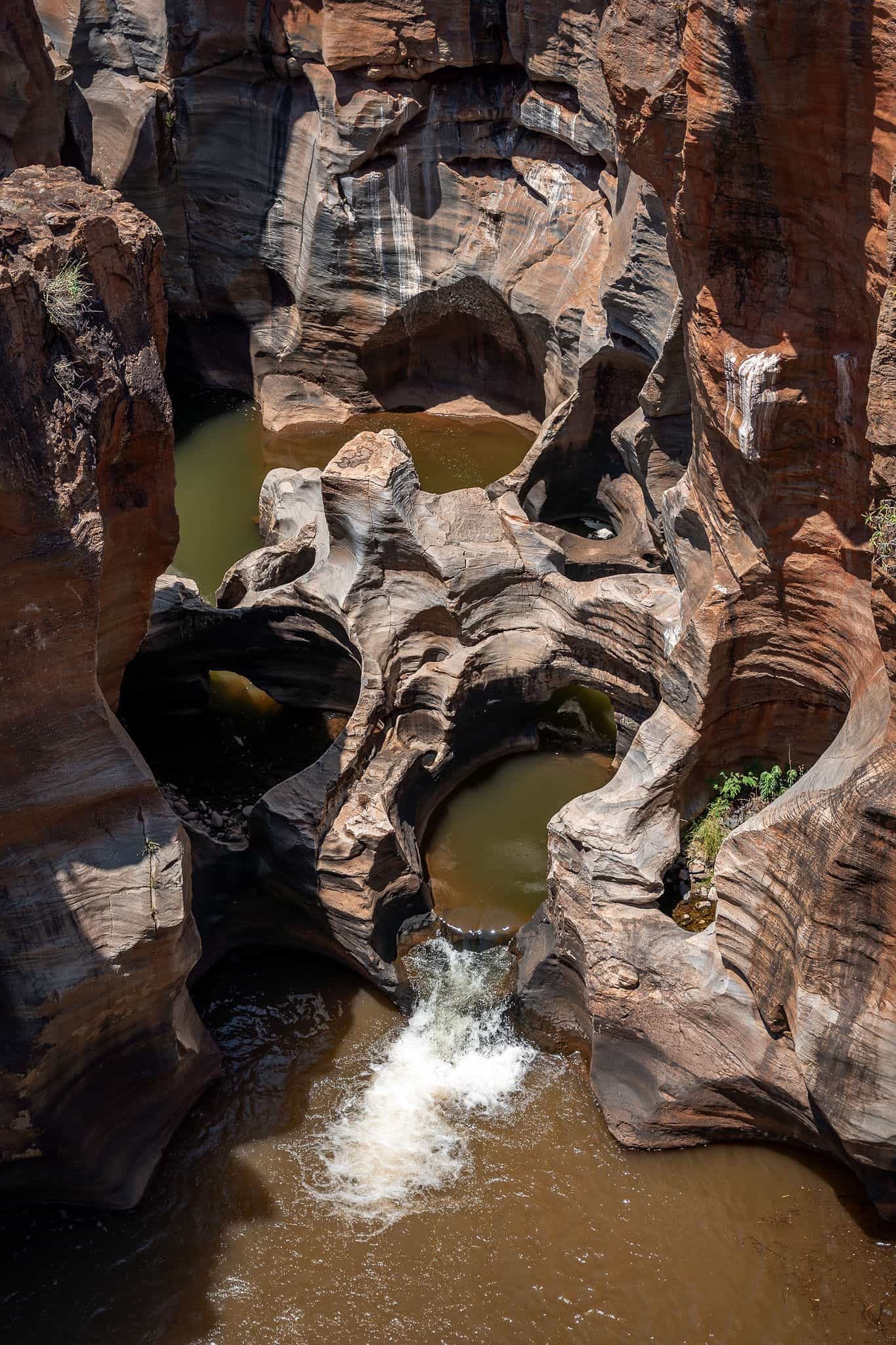
The Bourke's Luck Potholes are cylindrical holes in the rock, carved out by millions of years of swirling water and stones. The result is a stunning landscape with smooth walls in shades of yellow, orange, and red.
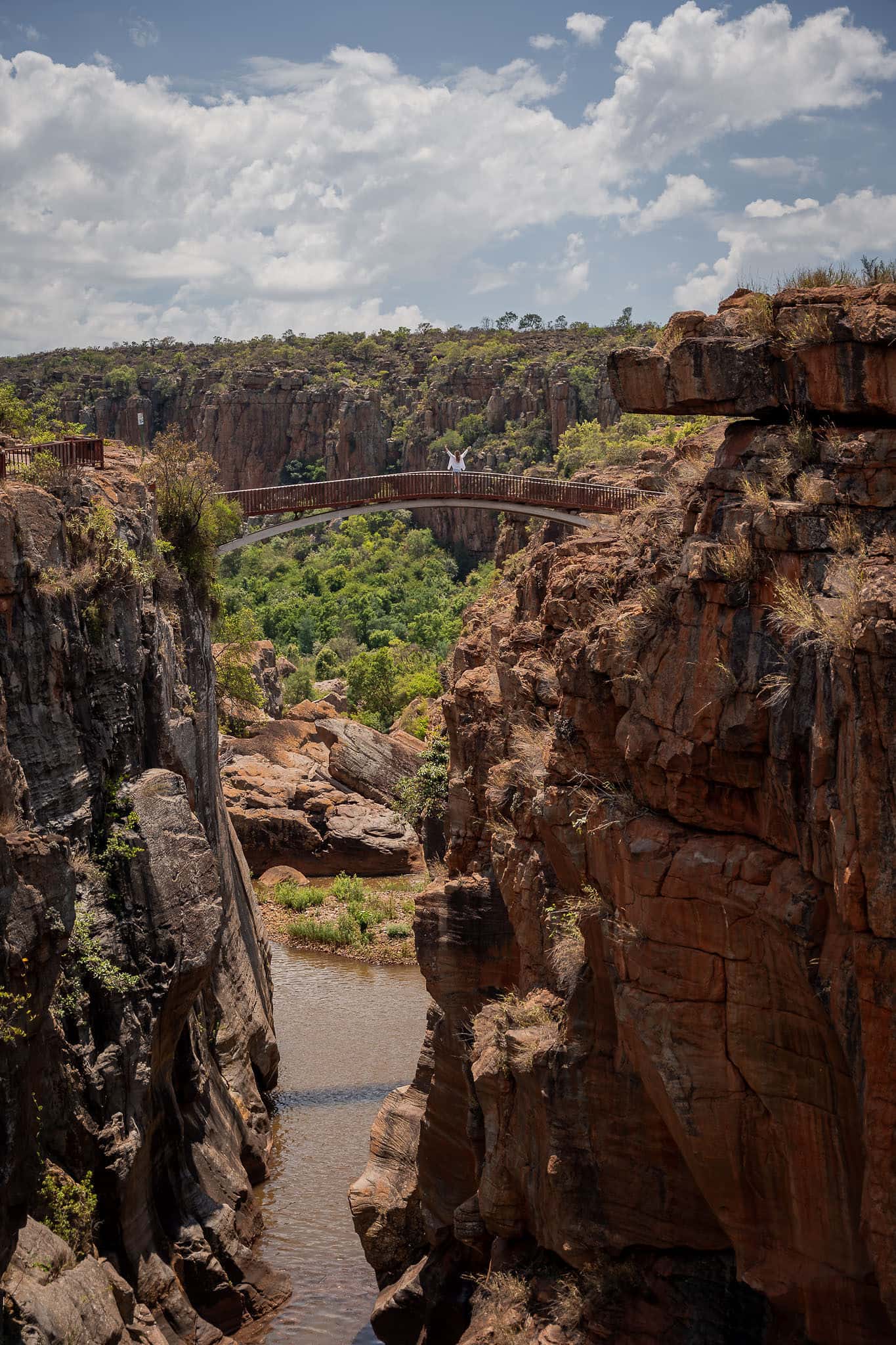
Here, you walk over suspension bridges and along wooden walkways that take you from one viewpoint to another. The waters of the Treur and Blyde Rivers converge here, with the name 'Blyde' (joy) and 'Treur' (sorrow) referring to a historical tale about gold miners who camped here in 1844.
Make sure to plan for at least 45 minutes to an hour here. The different viewpoints each offer a unique perspective on the potholes and the confluence of the rivers. The visitor center also has interesting information about the area's geology. There's a small entrance fee.
4. Lisbon Falls and Berlin Falls
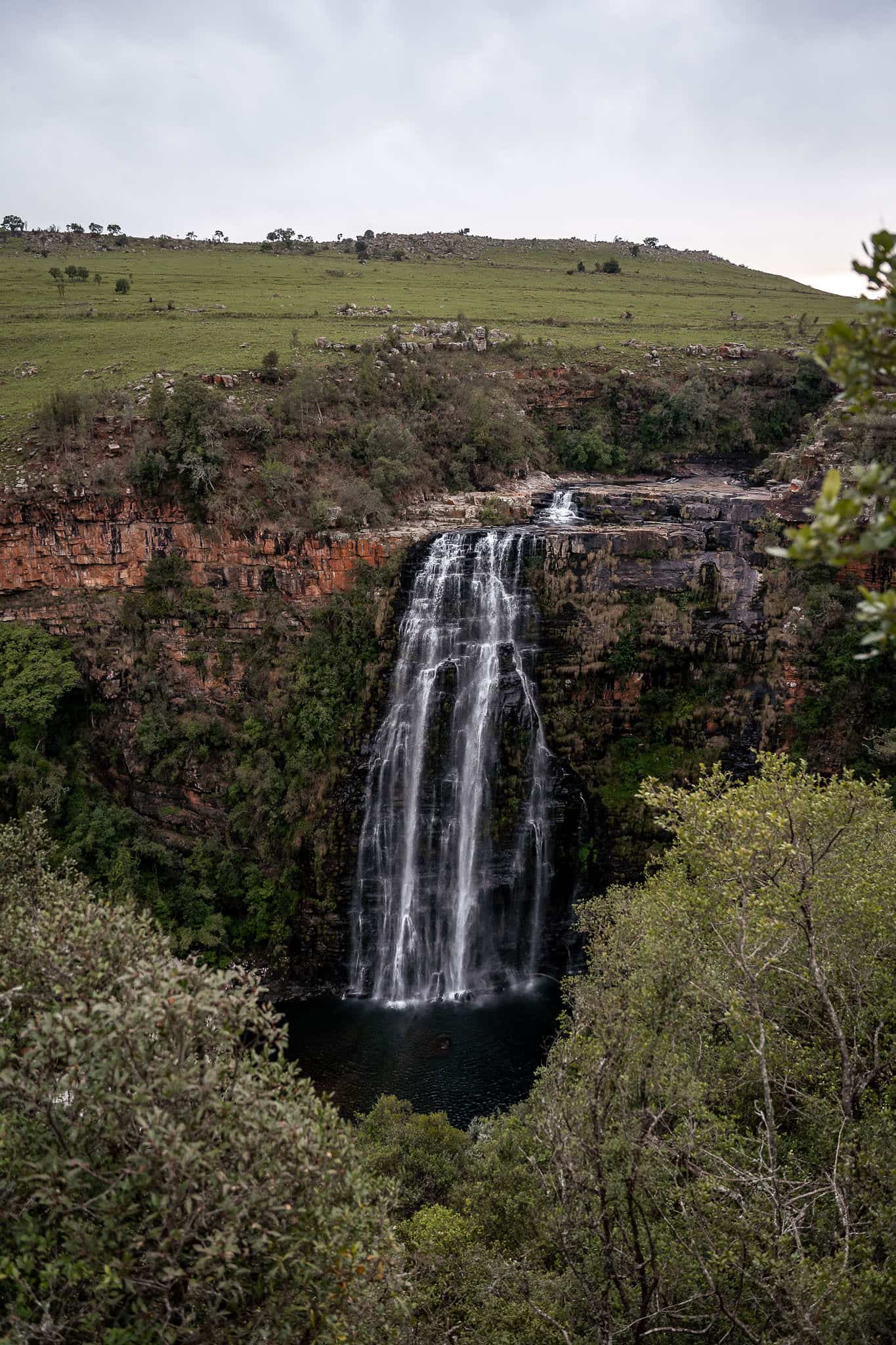
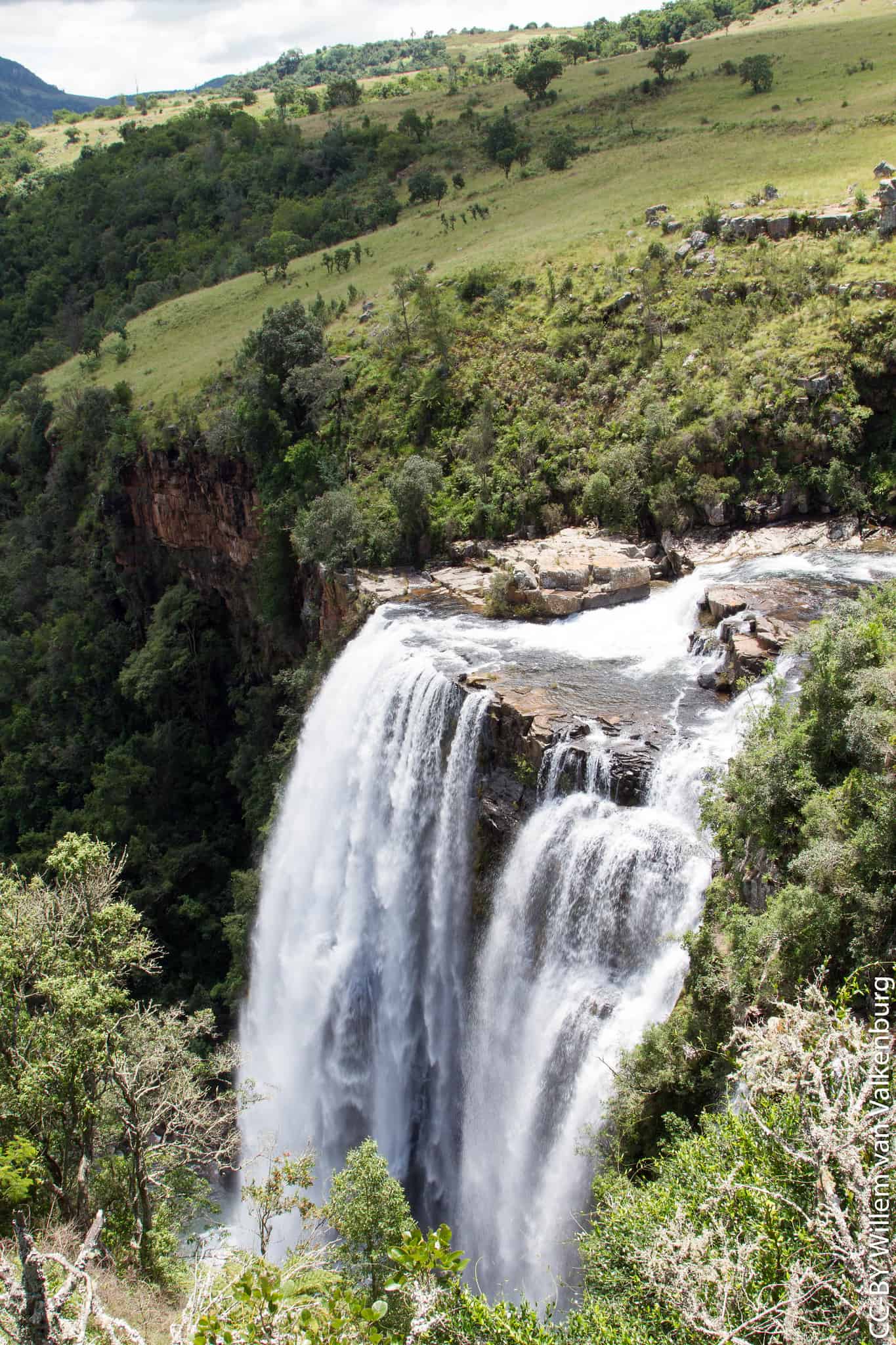
The Panorama Route is filled with waterfalls, but Lisbon Falls and Berlin Falls are the most impressive. Lisbon Falls, at 92 meters, is the highest waterfall in Mpumalanga, consisting of two streams that plunge down side by side. It creates an almost symmetrical effect that you won’t find anywhere else.
Berlin Falls is a few kilometers further down and might just be the more beautiful of the two. The water cascades down 80 meters, surrounded by lush vegetation. There’s a short walk down where you can get closer and truly feel the power of the water. After rainfall, both waterfalls are at their most powerful.
5. Pinnacle Rock
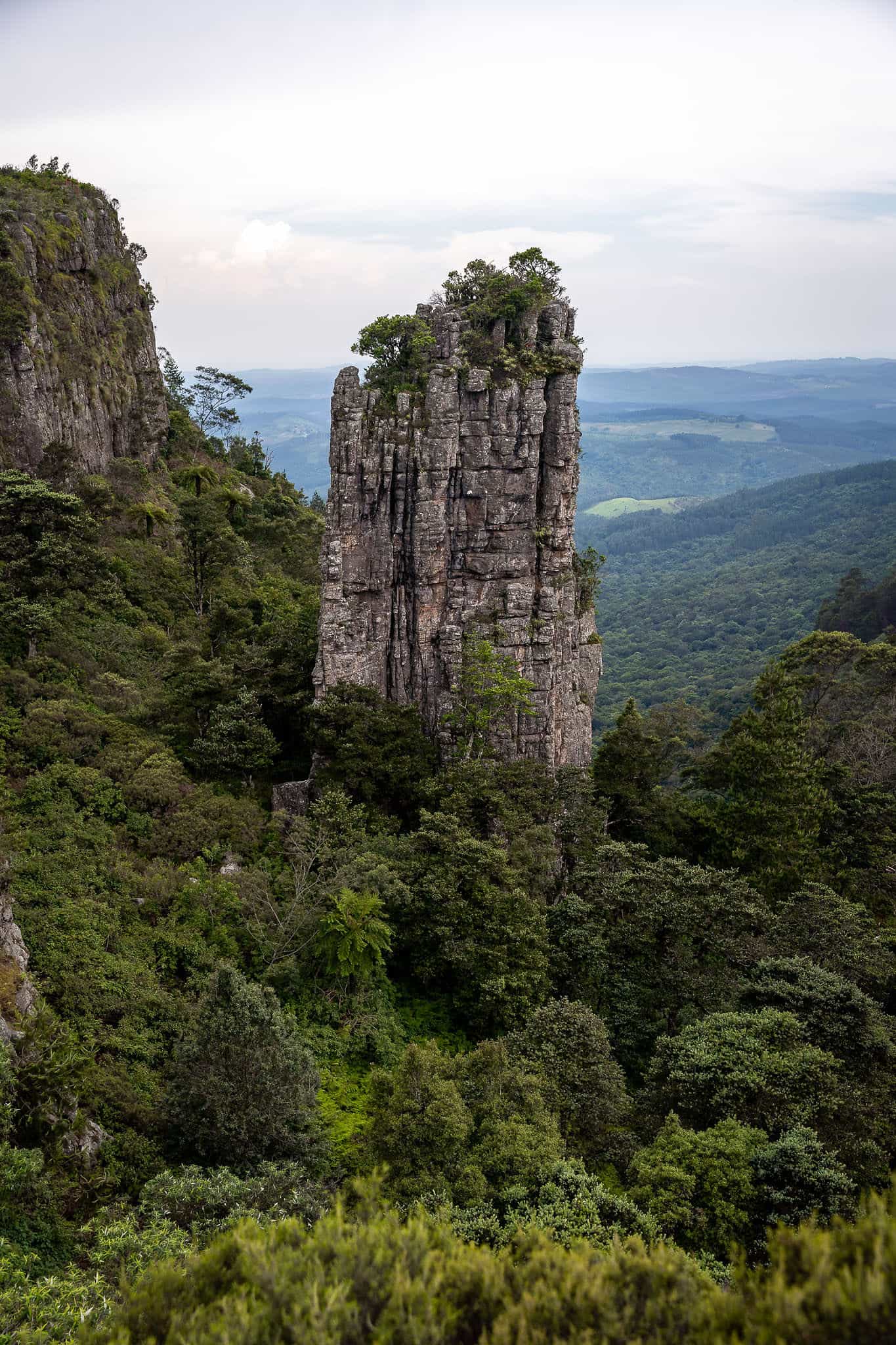
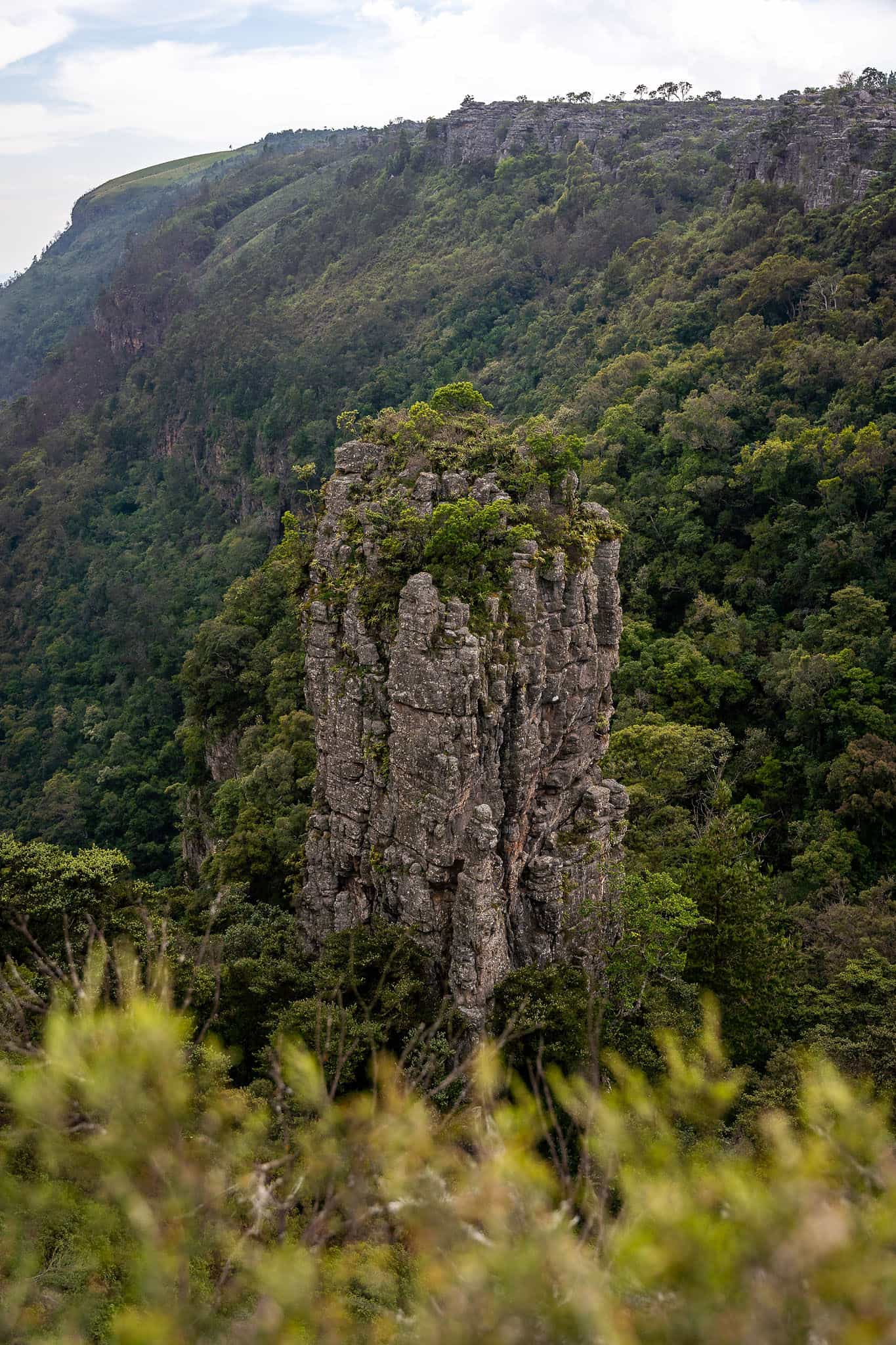
The pinnacle rock stands in a valley full of greenery, a single rock pillar 30 meters high. Pinnacle Rock was formed by erosion, where the softer surrounding rock was washed away, leaving only this hard quartz pillar standing.
The viewpoint is right by the road, making it a perfect quick stop if you want to stretch a bit between longer stops. The backdrop of green mountains completes the picture. Early in the morning or late in the afternoon, when the light comes from the side, you'll get the most beautiful photos here.
6. Graskop
Graskop is the perfect base camp for your exploration of the Panorama Route. This small mountain village, sitting at 1500 meters above sea level, has a vibrant atmosphere with plenty of restaurants, shops, and accommodations to unwind between your adventures.
Additionally, you'll find charming shops in Graskop offering local products, from macadamia nuts (the area is famous for them) to honey and handmade souvenirs. The village also has several well-stocked supermarkets, making it convenient to replenish your supplies. The vibe is relaxed, and the locals are known for their hospitality.
From Graskop, you can reach all the highlights of the Panorama Route within a 30 to 60-minute drive. The 14-day trip from South Africa Nomads also stops here, giving you plenty of time to explore the surroundings before heading to Kruger National Park.
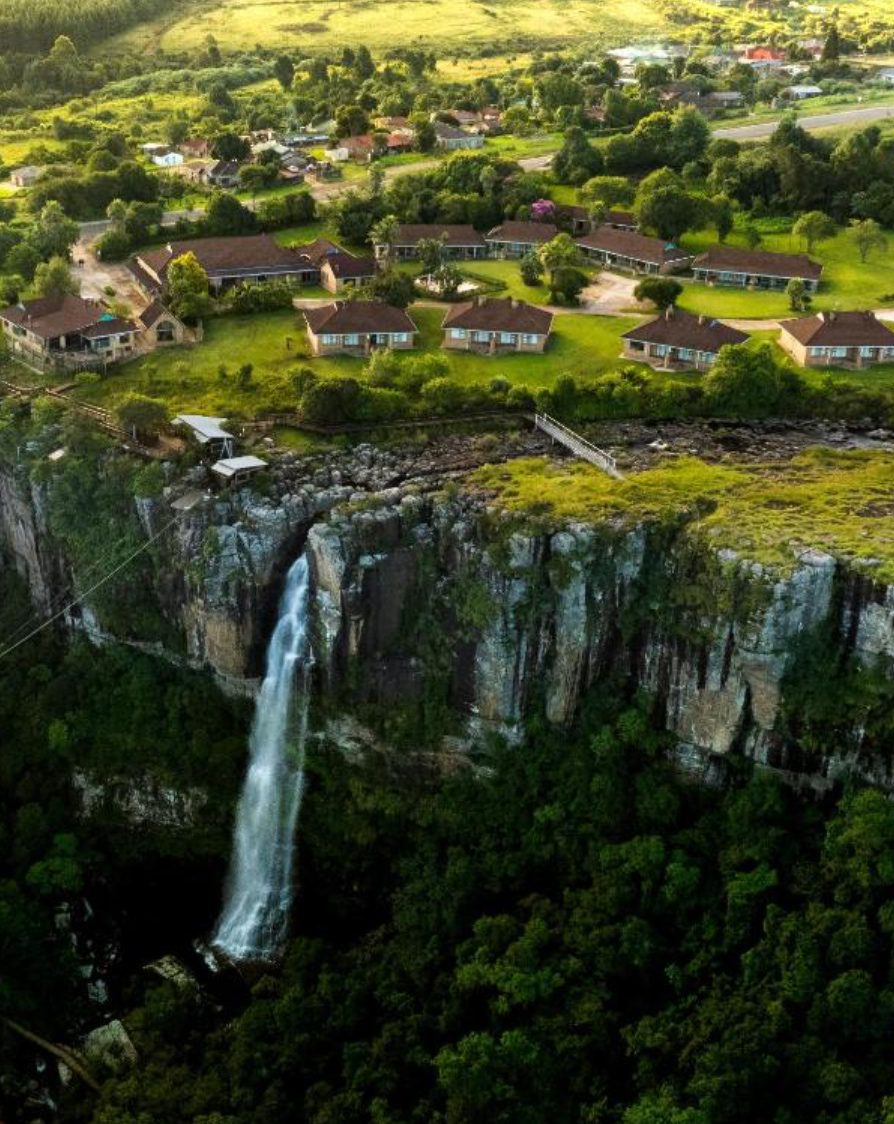
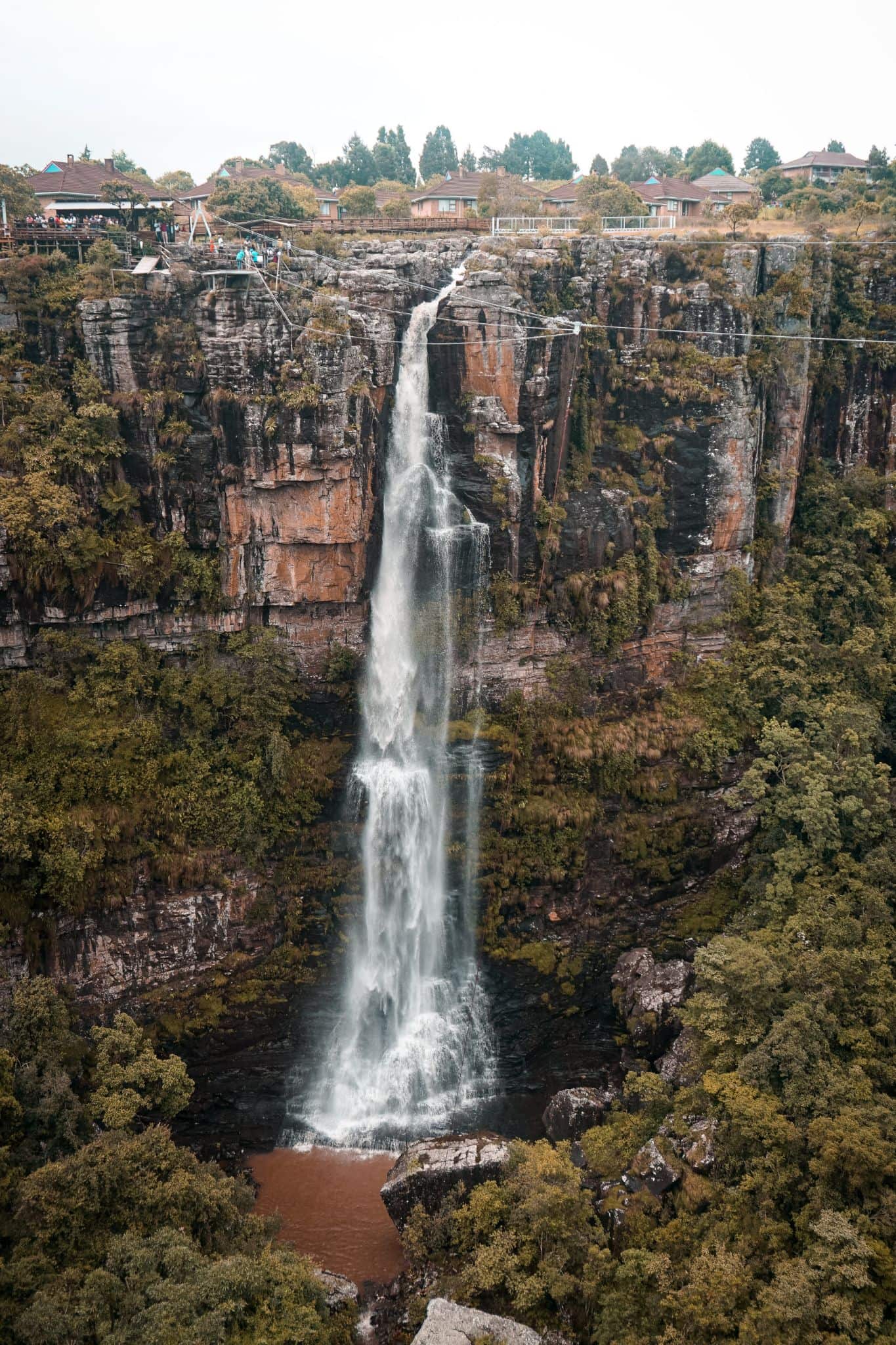
Just outside Graskop are the Motitsi Falls. This waterfall is hidden in the forest, just a short walk from the parking lot. It's a tranquil spot where you often find yourself completely alone, surrounded by the sound of falling water. The water cascades into a natural pool where you can cool off on hot days. At Motitsi Falls, you literally sleep right next to the waterfall.
7. Kruger National Park
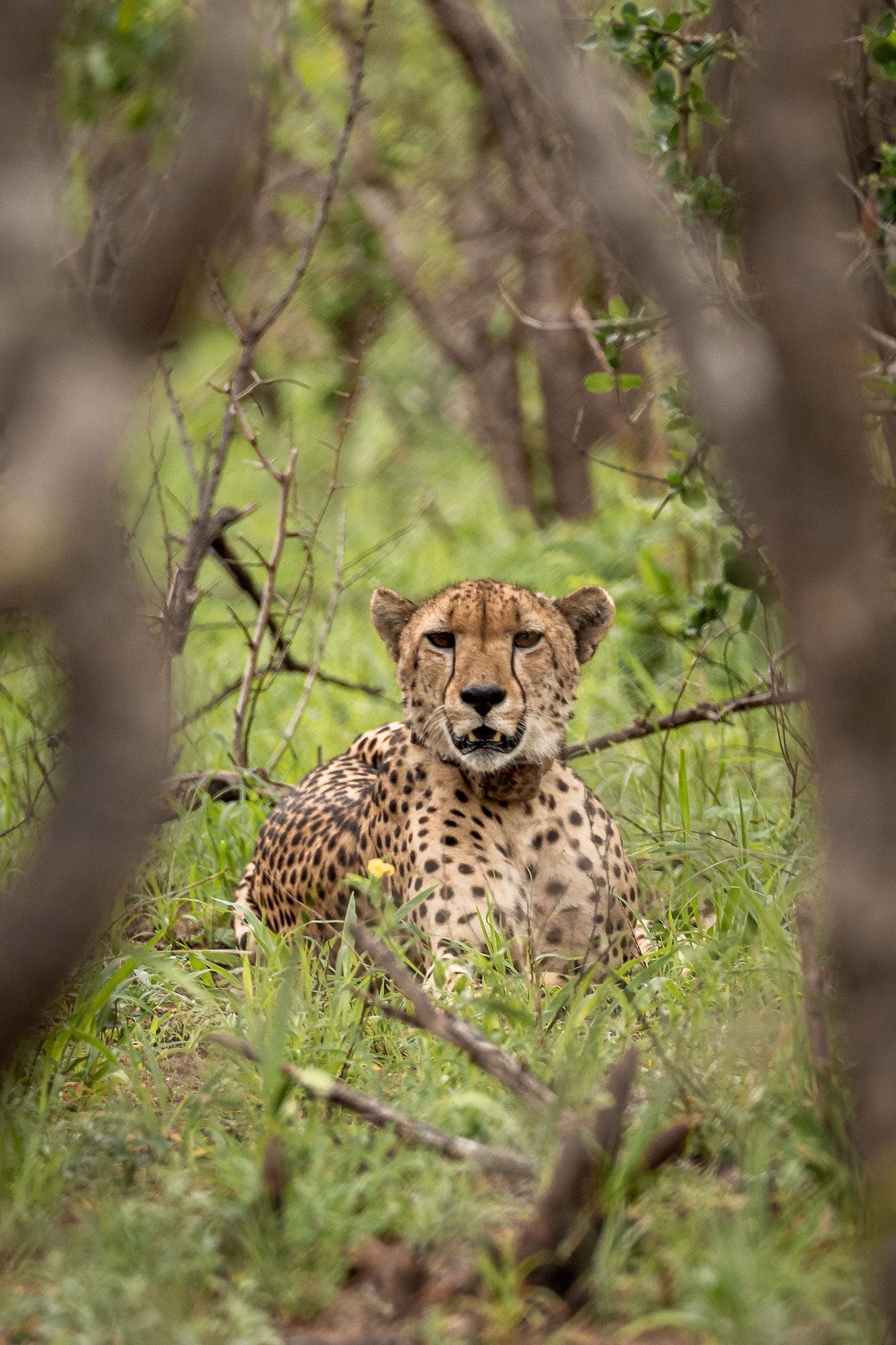
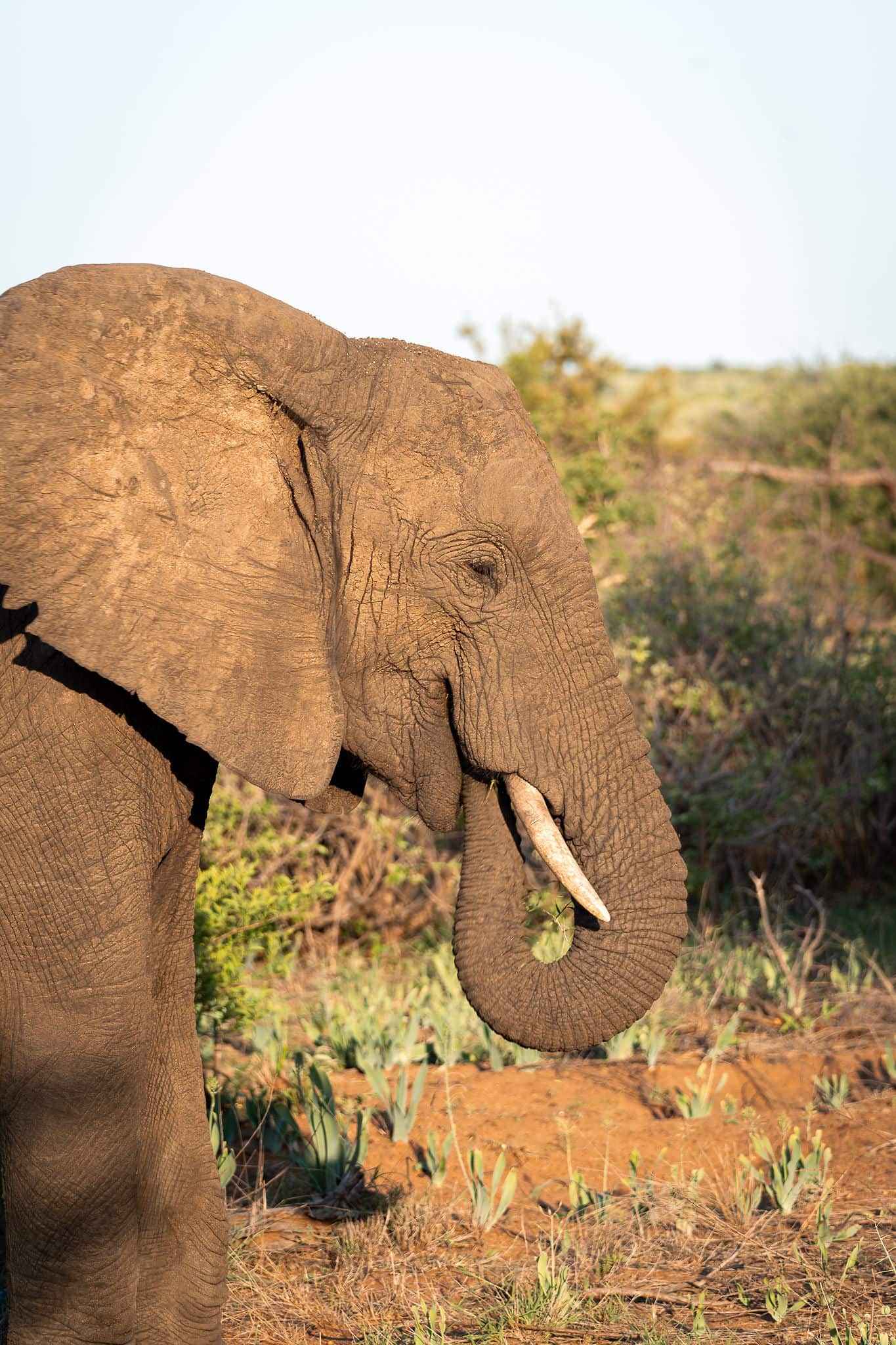
Just an hour's drive from the Panorama Route lies one of Africa's most famous wildlife parks: Kruger National Park. This massive reserve spans nearly 20,000 square kilometers and is home to the Big Five (lion, leopard, elephant, rhinoceros, and buffalo) along with hundreds of other animal species.
Kruger is accessible through various gates. From Graskop, the Numbi and Phabeni Gates are the closest, both about an hour's drive away. The density of animals in Kruger is high, especially when they gather around water sources.
The best game drives take place early in the morning or late in the afternoon when the animals are most active. In the middle of the day, you can relax at one of the rest camps where you can have lunch and enjoy the view over the bushveld.
The Panorama Route on your road trip
These eight highlights show why the Panorama Route is one of the most beautiful stretches in South Africa. The deep gorges, waterfalls, and viewpoints over the Lowveld provide plenty of variety. Each viewpoint offers a different perspective on the nature of Mpumalanga.
The Panorama Route is also part of our South Africa Nomads road trip. Curious about the other stops on the route? Our 14-day road trip takes you from Johannesburg through the Panorama Route and Kruger all the way to the Garden Route and Cape Town. Who knows, you might soon be standing at God's Window overlooking the green landscape of South Africa!